
Japan was one of those destinations that I became so unhealthily obsessed with in the last few years that I knew I needed to go. The country has so much to offer that trying to plan a trip with only 2 weeks’ vacation can be really overwhelming, and I’m going to be honest, 2 weeks is not going to be enough time to see it all. However, I’m a firm believer that if you wait until you have endless amounts of time off to visit a destination, then you’ll never get there, and even if you’re working with only 2 weeks (or even less) there is still lots you can do with that time.
This itinerary on how to spend 2 weeks in Japan is based on the itinerary that I did in April 2025 and covers the highlights of Japan, and the most popular tourist route known as the “Golden Triangle” or “Golden Route” (plus a few additional day trips and stops along the way). You can definitely have so many different kinds of trips in this country, from ski/snowboard trips, beach vacations, and more off-the-beaten-path destinations, but if it’s your first time in Japan, this route covers the highlights that you’re not going to want to miss.

Day 1: Fly into Tokyo
Day 1 will likely be mostly a travel day, depending on when you arrive in Japan. Fly into Tokyo at either Narita International Airport (NRT) or Haneda Airport (HND). Both airports are well connected to the city centre, but Haneda Airport is closer. See below for details on how to get from the airport to downtown Tokyo:
Narita International Airport
- Keisei Skyliner (fast express to Ueno/Nippori): about ¥2,500–¥2,700 one‑way and takes 41 min
- JR Narita Express (direct to Tokyo/Shinjuku, etc.): about ¥3,000–¥3,500 one‑way and takes 55–75 min
- Cheaper commuter trains (such as Keisei Access Express): around ¥1,200–¥1,400 (slower, no reserved seats, but can use Suica Card for payment)
- Airport Limousine Bus (to hotels & major stations): around ¥3,000–¥3,600 one‑way (traffic dependent)
- Taxi to central Tokyo: around ¥20,000+ expensive but direct (not usually worth it unless late night or lots of luggage)
Haneda International Airport
- Keikyu Line + JR transfer (to Tokyo Station area): around ¥440–¥700 and takes 25–35 min (can pay by Suica Card)
- Tokyo Monorail + JR Yamanote (via Hamamatsucho to Tokyo/Shibuya/Shinjuku): around ¥500–¥700 and takes 25-35 min (can pay by Suica Card)
- Airport Limousine Bus: about ¥1,000–¥1,600 one‑way to major stations/hotels (traffic can add time)
- Taxi: roughly ¥6,000–¥8,000 to central Tokyo (can vary with destination & time)
➡️ Tip: Download a Suica Card into your Apple Wallet and load it before you travel to allow for easy payment on transit that is identified above and throughout your time in Japan. You will also want to download Google Maps and have access to cellular data through an eSIM (I use Saily, use referral code LAUREN6660 to get $5 USD off your first plan) so you can easily use the “transit” option to help navigate your way on Tokyo’s transit system to your hotel.
Best Time to Arrive
If you are travelling internationally and can book your flight to arrive in the evening, I find this ideal because after a long travel day and with the time change, it’s so hard to just power through and sightsee for the day on no sleep. I like to arrive in the evening so I can have a good night’s sleep and reset my body for a full day on day 2.
Where to Stay in Tokyo
On this itinerary, you’ll notice we have 2 full days in Tokyo at the start and 2 at the end. You can do these days in any order. We started our trip by exploring East Tokyo, and so we based ourselves in Asakusa. This also allowed for a little bit of a slower pace at the beginning of our trip when we were jet-lagged and adjusting to navigating Tokyo. We stayed at an APA Hotel, which is a simple hotel chain you’ll find all around Japan.
Night One in Asakusa
If you are feeling up to it, you can make your way to Hoppy Street for dinner and nightlife. It’s about a 100-meter-long alley in Asakusa that is located right next to the famous Senso-ji Temple. It’s lined with izakayas (casual pubs/restaurants) and can be a great place to grab a bite to eat on your first night.
If you’re exhausted (like we were), you can opt for a konbini (Japanese convenience store) dinner. Family Mart, Lawson, and 7/11 are the main ones, and you’ll find one on every corner. They have lots of fresh food options to-go, and don’t be discouraged by the idea of eating at a convenience store. These stores, unlike in North America, are a big part of Japanese culture and serve as essential hubs for fresh food, premium coffee, and daily services for locals.

Day 2: Traditional East Tokyo with a Side of Anime
For your first full day in Tokyo, you’re going to explore the traditional side of East Tokyo. Many things in Japan don’t open until 10am-10:30am, but you can get started with your day by visiting some of the attractions that don’t close, like Senso-ji Temple. Starting early will also help you beat the crowds. I recommend being there between 6am-8am to have a more peaceful experience.
Asakusa
Senso-ji Temple is Tokyo’s oldest and most famous Buddhist temple, dating back to the 7th century. It’s known for its iconic gate with the giant red lantern. As you enter, you’ll walk down Nakamise Dori, a street of shops selling snacks, souvenirs and local crafts. Most of these stores won’t be open this early in the AM so it’s best to head right to the temple and visit them on your way out.
➡️ Tip: When visiting Senso-ji Temple, this is a great spot to start your goshuin collection. A goshuin is a special stamp or seal, often hand-stamped, that you can collect at temples and shrines throughout Japan as a record of your visit. They are done by using beautiful calligraphy, and each temple or shrine has its own unique design. It’s important that you use a proper book to collect these, called a goshuincho, to respect the tradition. These can usually be purchased at the first temple you visit (I bought mine at Senso-ji Temple). The goshuin at Senso-Ji Temple opens at 8am and usually closes around 5pm.
Around here, you can also try some delicious melon pan, a delicious Japanese sweet bun, at Asakusa Kagetsud,o which has been operating since 1945. Literally so good! I still dream about these. You can also stop at Sumida Park which is just a few minute walk from the temple and a great spot to take in some of the cherry blossoms if visiting during spring, and take a stroll down Tanuki Street which is a quirky street lined with racoon statues that each represent a different “wish” and visitors can rub their bellies to bring them good luck in that respective area.

Kappabashi Kitchen Street
Next up is Kappabashi Kitchen Street. You can easily walk from the Senso-ji Temple area to the Kitchen Street in about 10-15 minutes. However, since most shops won’t open until around 10am-10:30am, plan your arrival accordingly.
This street is lined with shops selling all sorts of kitchen goods. Many of these shops supply local restaurants, but they are open to the public, and it’s a great place to start your souvenir shopping of all the wonderful Japanese ceramics, dishware, and knives.
Take some time wandering the street and popping in and out of all the shops.

Ueno
After doing some shopping, you’ll want to head towards Ameya Yokocho Market for lunch. This is an open-air market in the Taito Ward of Tokyo, right next to Ueno Station. It’s about a 20-minute walk from Kitchen Street or a 12-minute metro ride on the Ginza Line. The market is large and is a great spot to grab lunch or try some street food, and do some shopping.
Following lunch and your market visit, you can head to the neighbouring Ueno Park. This park has an amazing amount of cherry blossoms during the spring blooming season. If you aren’t visiting during spring, it is still a beautiful park to visit, and they offer several seasonal exhibitions.

Choose Your Own Adventure
You’ll want to head towards Akihabara from here, which is the mecca for anime, manga, and electronics. However, there are definitely some stops you can make along your way to Akihabara, and you can tailor the rest of your day based on your interests.
For example, we aren’t super anime/manga fans, but we still wanted to see the hustle and bustle of Akihabara, so we didn’t spend a ton of time here. If this is more up your alley, you can always skip the next stops and areas and head right to Akihabara.
On route from Ueno towards Akihabara, there are some spots of interest you can hit up on the way such as:
- Kanda Myojin Shrine (open 24 hours, 13-minute walk from Ueno Park)
- Nezu Shrine (open 6am-5pm, 15-minute walk from Ueno Park)
You can also opt to head towards Yanaka which is a historic neighbourhood near Ueno and is one of the few areas that survived the World War II bombings so it still has that traditional Tokyo atmosphere. It’s most famous for the Yanaka Ginza Shopping Street and can be quieter than some of the more touristy neighbourhoods. Some points of interest in Yanaka are:
- Shitamachi Museum (open 9:30am-4:30pm): Dedicated to the traditional culture of Tokyo’s Shitamachi
- Okanoeisen (open 9:30am-5pm, check website as some days they’re closed): A confectionery shop open since the 1900s
- Nombiriya (open 11:30am-3pm, 6pm-11pm): Cafe in a traditional Japanese house
- Echigoya Honten (open 11am-8pm): Sake bar open since 1904)
If you plan to head to Akihabara after the above or right to Akihabara earlier in the day, you’ll soon go from quiet Tokyo neighbourhoods to the chaos and liveliness of this district. Find endless gachapon halls, game centres, and shops lined with anime, manga and electronics. Even if this world isn’t for you, it’s still a cool spot to come and walk through because it’s a good reflection of a unique side of Tokyo.
Dinner
This is a jam-packed day, and you’ve probably put in A LOT of steps. You can either take the metro back to the area of your hotel and have dinner near there or stay in Akihabara. In Japan, there is no shortage of fantastic food options, and because of that, I’m not going to list out must-visit places because you can find good food everywhere! There is no need to exclusively stick to the “TikTok Viral” recommendations.
➡️ Tip: For restaurant reviews, locals use Tabelog more than Google, and it’s important to note that very few places in Japan get a 4-star rating. You’ll find fantastic restaurants with ratings that are only around 3-3.5 star so do not let the ratings fool you.
Day 3: Culinary Highlights & Central Tokyo
After covering a lot on day one, day two will be spent in central Tokyo, covering Koto Ward (Toyosu Fish Market), Chuo Ward (Tsukiji Outer Market & Ginza), and Chiyoda Ward (Imperial Palace). Now I’m going to preface this day’s itinerary by saying that it is also a very busy day. If you want to spend more time in each of these areas, I would pick and choose what’s a priority for you. For example, on our second day in Tokyo we did not make it to the Imperial Palace before it closed. We also probably could have spent a lot more time shopping around Ginza than we did. Make this itinerary your own and just use this as a base!

Toyosu Fish Market
I started day two off by starting the furthest away from where we were staying in Asakusa, so we can work our way back. Take transit down to Toyosu Fish Market bright and early (they open at 5am, but you don’t need to go that early until you want to witness the tuna auction). Note that the market is closed entirely on Sundays and Wednesdays, so plan accordingly.
The market is very spread out into key areas (Fish Intermediate Wholesale Market, Fish Wholesale Market, Fruit & Vegetable Market). For me, I’d skip the fruit and vegetable market as it wasn’t that interesting. The Fish Wholesale Market is home to the famous tuna auction, as mentioned above. Viewing this is done by a lottery system, and it’s important to note that the train doesn’t start until after it’s happening, so if you go, you’ll need to find an alternate way there.
We skipped the tuna auction and just went to enjoy some food! There are several sushi shops open early in the Fish Wholesale Market building, as well as a full restaurant area in the Intermediate Wholesale Market. We found that some of the shops in the Intermediate Market didn’t open until closer to 9:30am. We ate at Tsukiji Kagura Sushi Toyosu Uogash,i and it was SO good! Make sure you try the fatty tuna that comes fresh from the morning auction. I know it may sound weird to have tuna for breakfast, but you’ll regret not trying it once you’re there.

Tsukiji Outer Market
Next, head to Tsukiji Outer Market, which is about a 45-minute walk, so I’d recommend taking the bus or subway. This market gets busy, and if you have more days than I had in Tokyo, I’d recommend doing the Toyosu Market one early morning and the Tsukiji Market another early morning. However, if you’re like me, heading there right after the Toyosu Market made the most sense logistically.
This market is loaded with shops, restaurants, and everything in between. It is a great place to try street food, but I will caveat that all the street food here you can find elsewhere, so don’t feel like you need to wait in any long lines to try something.
We tried strawberry daifuku, local sake, and matcha from Matcha Stand. We mostly just enjoyed walking around and admiring all the interesting foods and chaos. Personally, because of the crowds, I couldn’t stay here too long, but if it were less busy, there are lots of places to eat and see.
Imperial Palace
If the Imperial Palace is high on your list, then I’d recommend you do it before Ginza because they have pretty short hours (check the website as they vary between seasons). The outer grounds and gardens are open to the public, but to visit inside, you’ll need to apply or join a tour. The Palace is located about a 30-minute walk from the Tsukiji Outer Market. Allow yourself at least an hour for a visit here.

Ginza
After the palace or Tsukiji (depending on what you choose), you’ll head up to Ginza, the luxury shopping district that is located a 15-minute walk from Tsukiji Outer Market. Ginza is one of the city’s top shopping districts, and it’s packed with luxury shops and restaurants, alongside every other store you can imagine. Walk down the pedestrian promenade and soak in the street lined with towering skyscrapers.
I personally didn’t think I’d spend that much time here because I wasn’t interested in shopping that much, and definitely wasn’t interested in luxury shopping. However, I actually could’ve probably spent more time here than we did just perusing some of the stores. We stopped in:
- Ginza Tsutaya Books
- Ginza Itoya (a massive stationery store)
- Loft (my personal favourite department store filled with Japanese-made goods and souvenirs)
- M Whisky (a great spot if you’re interested in tasting Japanese whisky)
- Ippodo Tea Shop (if you’re looking to purchase matcha while in Japan)
There are also a lot of great cocktail bars in the Ginza area, so if you’re here in the evening, it’s worth exploring some of them. Note that these are very popular, so make sure to get there early or expect you may need to wait:
Day 4: Train to Kyoto
On your fourth day, you’ll wake up in Tokyo and make your way to Kyoto. The fastest way to do this is by taking the Shinkansen bullet train from Tokyo Station to Kyoto Station. This will take anywhere from 2.15 hours to 3-4 hours, depending on which train you choose, and costs from ¥14,000–¥15,000 one-way. Book your tickets in advance via the SmartEX app.
➡️Tip: Get to the train station early enough to leave yourself time to get a bento box to bring on the train with you. The station is lined with options, and these bento boxes are loaded with fresh food, perfect for train travel. An essential experience to have in Japan!
Where to Stay
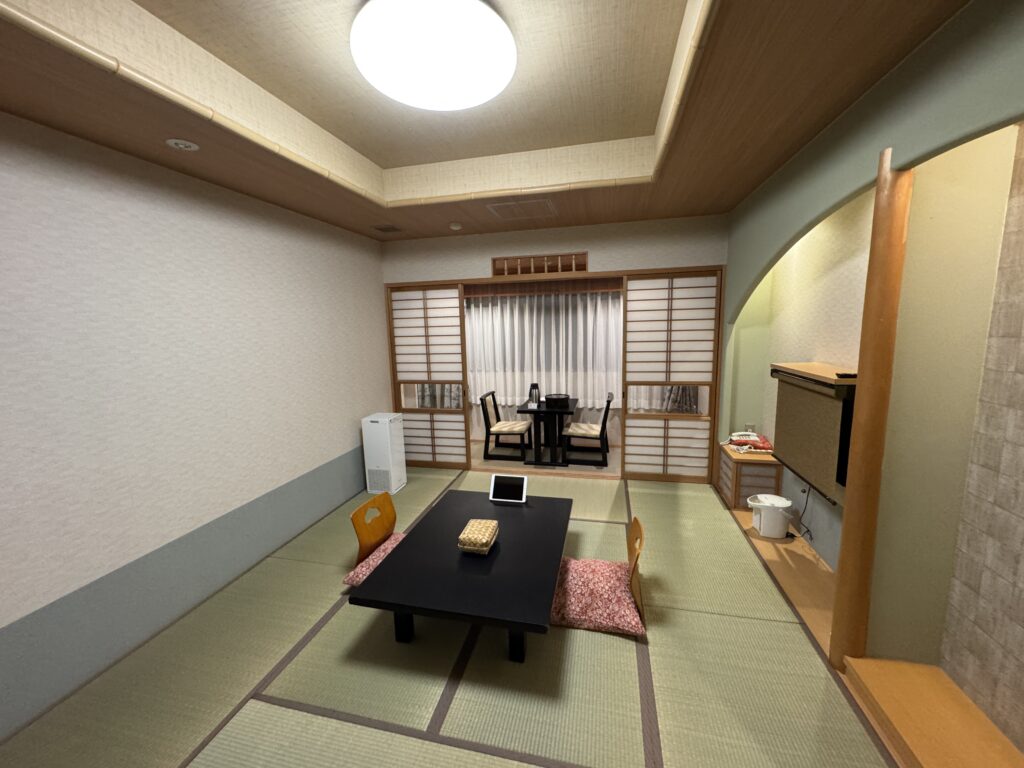
For day one, when you arrive in Kyoto, I highly recommend you stay in a traditional ryokan for at least one night during your stay. A ryokan is a traditional Japanese inn that offers an immersive cultural experience. They’re designed to provide a serene escape and give you a glimpse at the Japanese customs and hospitality. It was such a cool experience to have on our trip and definitely a must-do. We booked at Watazen Ryokan, and it was such a lovely experience. I would recommend booking the stay that includes dinner and breakfast to really enjoy it to the fullest, and don’t forget to try out the onsen.
➡️ Tip: Wabunka is a booking platform that offers a large variety of authentic, traditional experiences throughout Japan, and they also have some fantastic suggestions and options for a traditional ryokan stay that you can find here.
Choose Your Afternoon Adventure
Once checked in, you’ll want to do some exploring around the city. Here are some options that you can pick and choose based on what area of the city you want to head to.
- Nijo Castle (8:45am-5:00pm)
Nijo Castle is one of the best-known castles in Japan and a UNESCO World Heritage site. Arrive early or later in the day to avoid crowds and enjoy walking around the beautiful grounds. - Kyoto Gyoen National Garden (open 24 hours)
Kyoto Gyoen National Garden is a 65-hectare national garden of Japan that is situated around Kyoto Imperial Palace. - Kinkaku-ji (9:00am-5:00pm)
Also known as the Golden Pavilion. It’s a popular tourist attraction, and some people say it’s a bit overrated for how out of the way it is, but it’s up to you to decide if it’s worth it or not in your itinerary. - Nishiki Market (9:00am-6:00pm)
Honestly, I hated Nishiki Market, but it’s a popular tourist spot. I found it unbearable to walk through because it was overwhelmed with tourists, and all the food sold there can be bought elsewhere for cheaper and in less busy spots. However, if you do want to explore it, I’d recommend coming early when stalls just open or later in the day when they are close to closing to try to dodge the crowds. - Philosopher’s Path
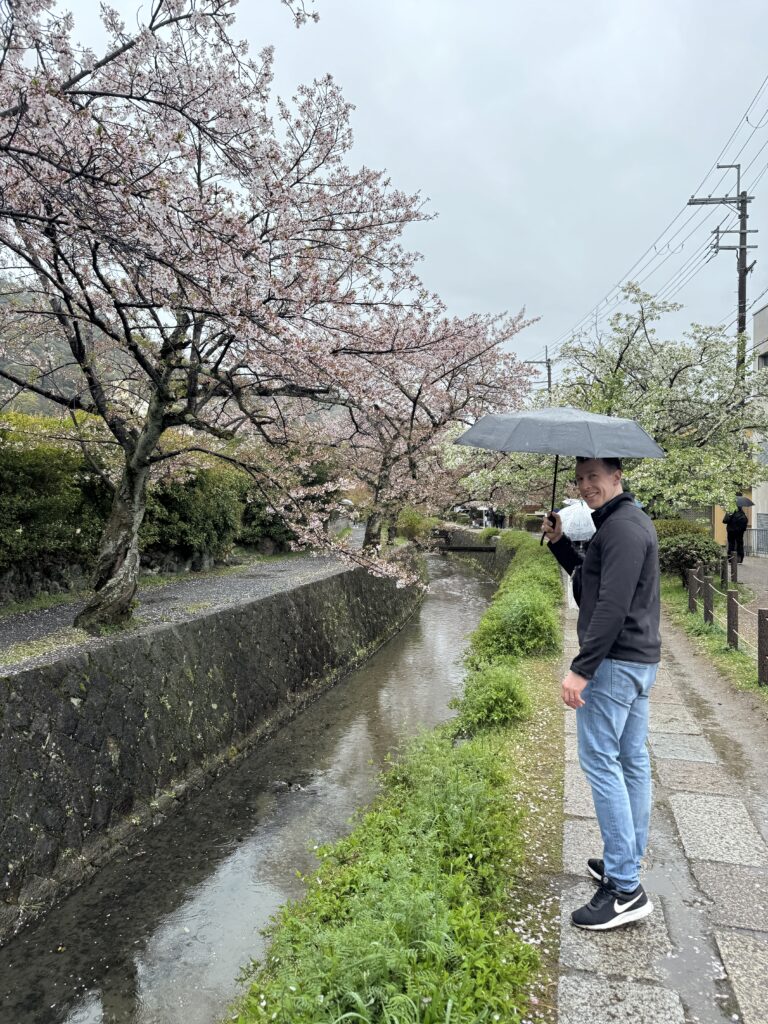
This area is a pleasant stone path in northern Kyoto that is lined with cherry blossoms in the spring. There are a lot of cute shops and cafes in this area, and a few temples you can visit as well.
Day 5: Day Trip to Nara
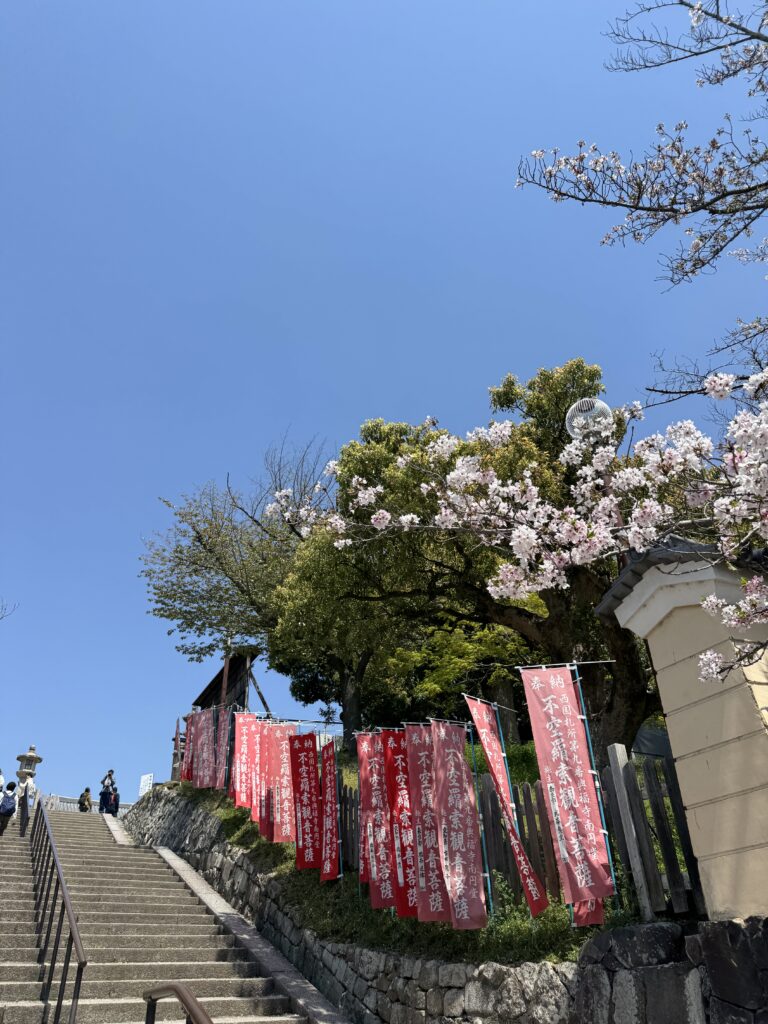
A popular day trip that you can take from Osaka or Kyoto is to Nara, as it is only about 30-45 minutes, one-way by train. Nara was actually Japan’s first capital and played a crucial role in early civilisation in the country. Today, it is well-known for its temples (one of which is home to the world’s largest bronze statue of Buddha), shrines, and what you’re probably used to seeing on social media, their very friendly deer.
To get to Nara from Kyoto, you have a few train options:
Rapid Trains: Rapid trains operate every 30 minutes between Kyoto Station and JR Nara Station, and the trip takes around 45 minutes. Local trains also frequent this route twice hourly but take about 75 minutes, so it’s best you aim for the rapid trains.
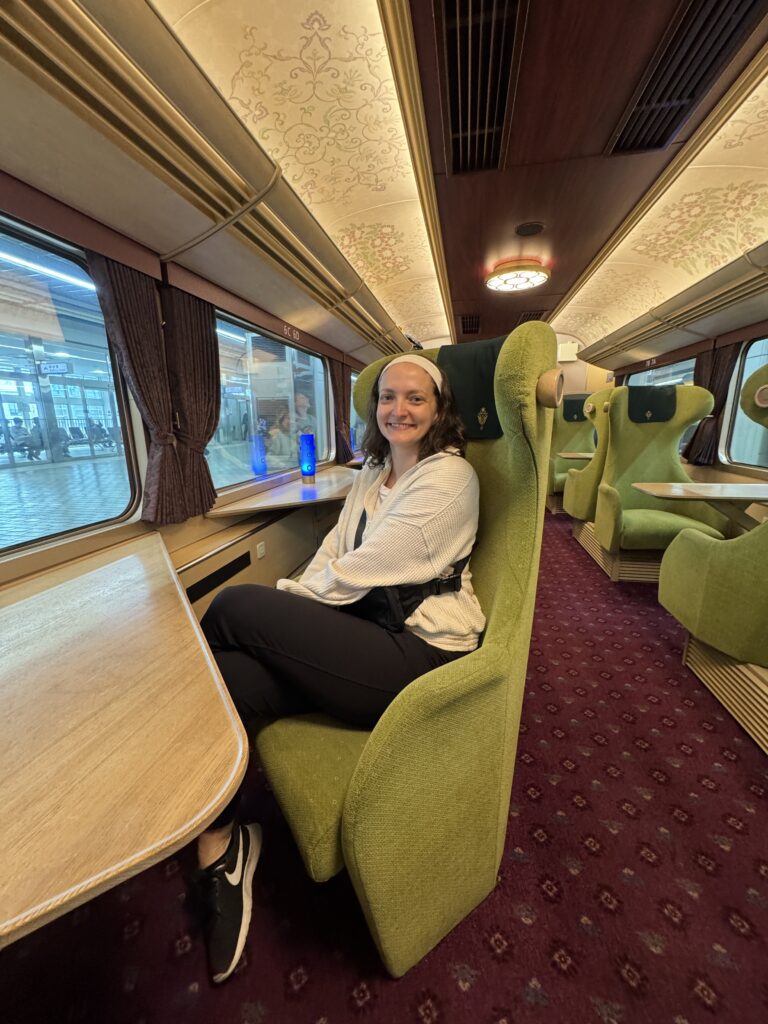
Aoniyoshi Limited Express Train from Osaka or Kyoto: If you want a unique experience, buy tickets in advance for the Aoniyoshi Limited Express Train. This train connects Osaka, Nara and Kyoto, and offers a stylish journey in a train with over 1,300 years of history. The train is small (only 4 cars) and offers large, luxurious seating that allows for optimal sightseeing on your way to Nara. There is also a car with snacks and drinks, and overall, it is just a fun, over-the-top, Japanese experience to have on your way to Nara. Train times and tickets are limited, so it’s recommended you book well in advance. What we did was take it to Nara and just took a regular train back. More details can be found here.
What to Do in Nara
There is SO much to do in Nara, and it was actually one of our favourite days we had while in Japan. I would make sure you arrive early in the day so you can make the most of your time.
Here are some ideas of things to do to help plan your day:
Tōdai-ji Temple: A UNESCO World Heritage Site, Tōdai-ji Temple is a must-visit in Nara. We hesitated on going because it was busy, but it ended up being one of the grandest (and our fav) temples we saw on our trip. This temple houses a gigantic bronze statue of Buddha, which is the largest in the world. It’s hard to understand the scale by just seeing a picture, and it is a must-do when visiting. You can also collect a goshuin inside.
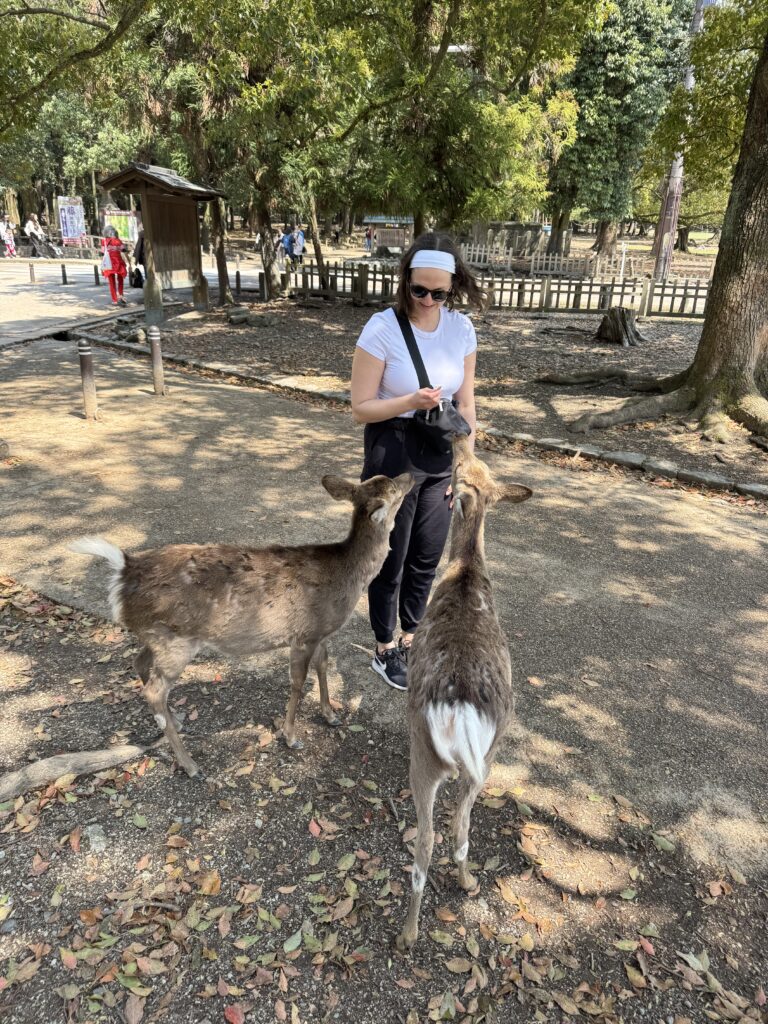
Nara Park: Nara Park is a public park and is actually one of the oldest parks in Japan. You can pack or pick up a picnic to enjoy here, or just enjoy a stroll through it. You’ll find lots of friendly deer here who will be looking for snacks. Make sure to buy some of the deer crackers from a local vendor to feed them. Bow first, and they’ll bow back, then give them a treat! You’ll find deer EVERYWHERE so I recommend walking further into the park away from the hordes of people to find some deer on their own.
Kasuga Taisha Shrine: Another UNESCO World Heritage Site, Kasuga Taisha Shrine is known for its thousands of stone and bronze lanterns. Nearby, you’ll also find the botanical garden, which is also quite impressive.
Nara National Museum: The National Museum in Nara is also a popular visiting spot to learn about Buddhist art. It has rotating exhibits and is located right in Nara Park.
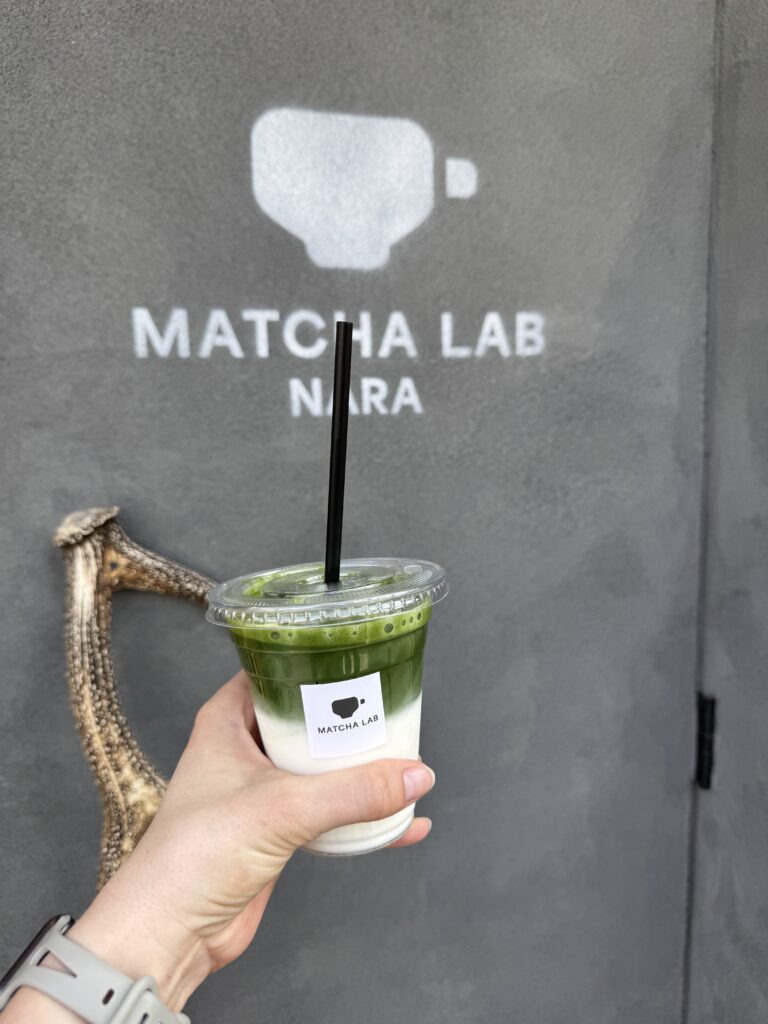
Shop and Eat on Sanjo-dori Street: The main strip of town is lined with all sorts of restaurants, bars, and shops. You can spend some time here strolling through all the tourist spots. Make a stop at Nakatanidou for its famous mochi and mochi pounding show that happens in their storefront every 30 minutes. Another fun stop, which is slightly off the main road, is Harushika Sake Brewery, where you can do a local sake tasting, and I had an excellent matcha latte at Matcha Lab.
Join an Authentic Guided Experience: There are so many experiences and activities you can join in Nara if you’re looking for more of a guided experience. I like to use Wabunka for Japan as it’s a booking site that is loaded with unique, traditional experiences you can book. In Nara, they have some cool ones like fabric dying, tea whisk making, and more extensive sake tastings than the one I mentioned above.
Day 6: Arashiyama Nature & Temples
Start your day with an easy breakfast at your hotel or a convenience store before making your way to Arashiyama. Arashiyama is a scenic district on the western edge of Kyoto and is known for its river views, forested mountains, and historic temples set among nature. The area is stunning but also really popular, so I recommend you start your day early to try and get ahead of some of the crowds. Here’s how to get there from the city centre of Kyoto:
By Train (fastest & easiest):
From Kyoto Station, hop on the JR Sagano Line (also called the San-in Line) toward Sonobe and get off at Saga-Arashiyama Station. It takes about 15 minutes, and from there it’s a 10-minute stroll to the main area. If you’re closer to downtown (like Kawaramachi or Gion), you can take the Hankyu Kyoto Line to Katsura Station, then transfer to the Hankyu Arashiyama Line (which takes about 20–25 minutes total).
By Bus:
City buses run from central Kyoto to Arashiyama, but traffic can be unpredictable (especially during the cherry blossom or fall foliage season). It can take 45–60 minutes, so it’s usually not the most efficient choice unless you’re in no rush.
By Taxi:
A taxi from central Kyoto takes about 25–30 minutes, depending on traffic. It’s comfy and convenient, especially if you’re travelling with luggage or in a group, but definitely pricier than the train.
By Boat (if you have time for the scenic route):
This is the way we took, and it was a unique experience and way to get to Arashiyama. The Hozugawa River Boat Ride has trips throughout the day and takes you along the Hozugawa River through a scenic gorge between Kameoka and Arashiyama in a traditional wooden boat. It’s peaceful, a little bit thrilling, and is a unique way to get from point A to B.
A few things to note about taking the boat ride are that you should book in advance, and you should check the website on the day of your ride to ensure it’s running as planned, since the water levels or weather can affect departures. This is definitely not the quickest or most direct route to take, but it’s for sure the most scenic and unique.
What to Do in Arashiyama
This area is truly gorgeous and a nice little break from the chaos of the city to soak in some nature. Here are some ways you can spend your day:
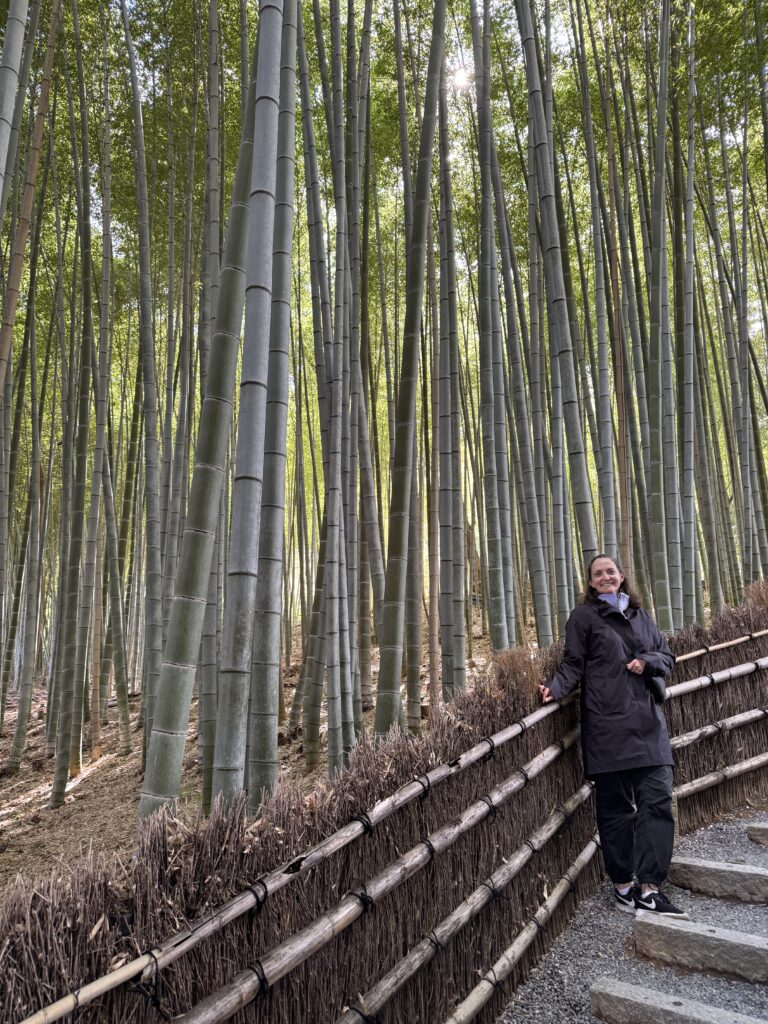
Arashiyama Bamboo Forest (open 24 hours): One of the main reasons that people come to Arashiyama, and in my opinion, the area has so much more to offer than just coming for the bamboo forest and leaving. It gets exceptionally busy and overcrowded, so come very early in the morning (like before 7am) if you want a more peaceful experience. Alternatively, you can visit the temple below for an alternative.
Adashino Nenbutsu-ji Temple (open 9am-4:30pm): A hillside temple known for its beautiful field of thousands of stone memorial statues and a quieter bamboo grove nearby from the one above.
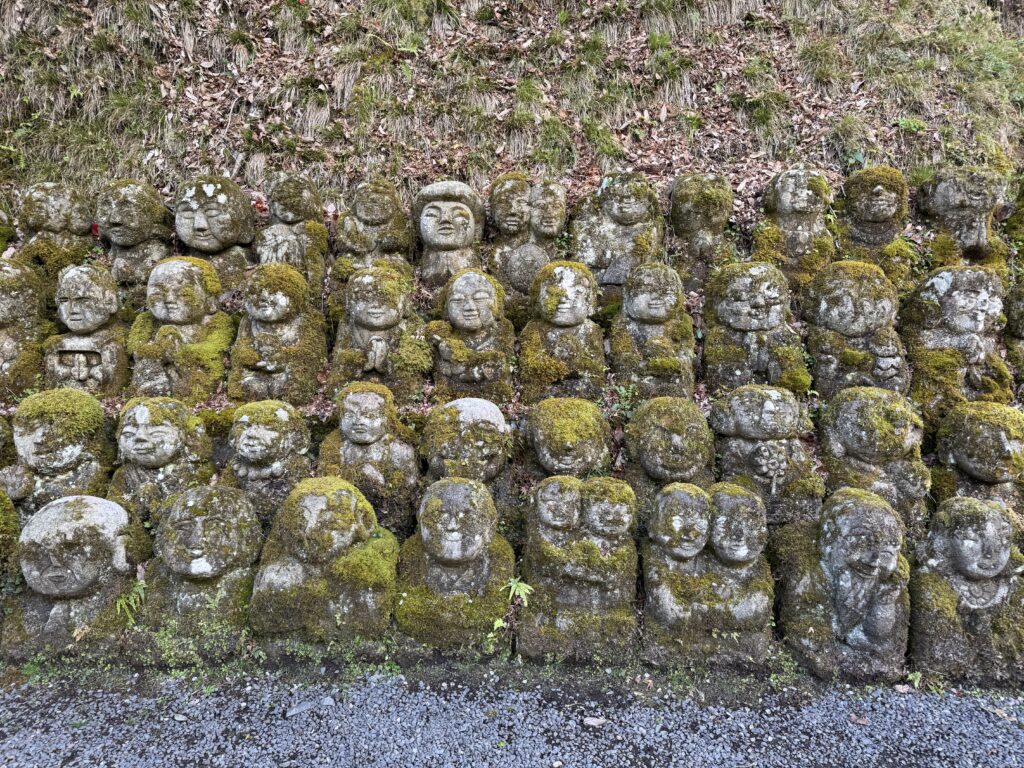
Otagi Nenbutsu-ji Temple (open 9am-4:15pm): Famous for its 1,200 moss-covered rakan statues, each carved with a unique and often playful expression. One of my fav temples we visited in all of Japan!
Gio-ji Temple (open 9am-4:30pm): A small, serene temple celebrated for its lush moss garden and peaceful, zen-like atmosphere.
Okochi Sanso Villa (open 9am-5pm): The former estate of a silent film star that is known for its beautifully landscaped gardens and panoramic mountain views.
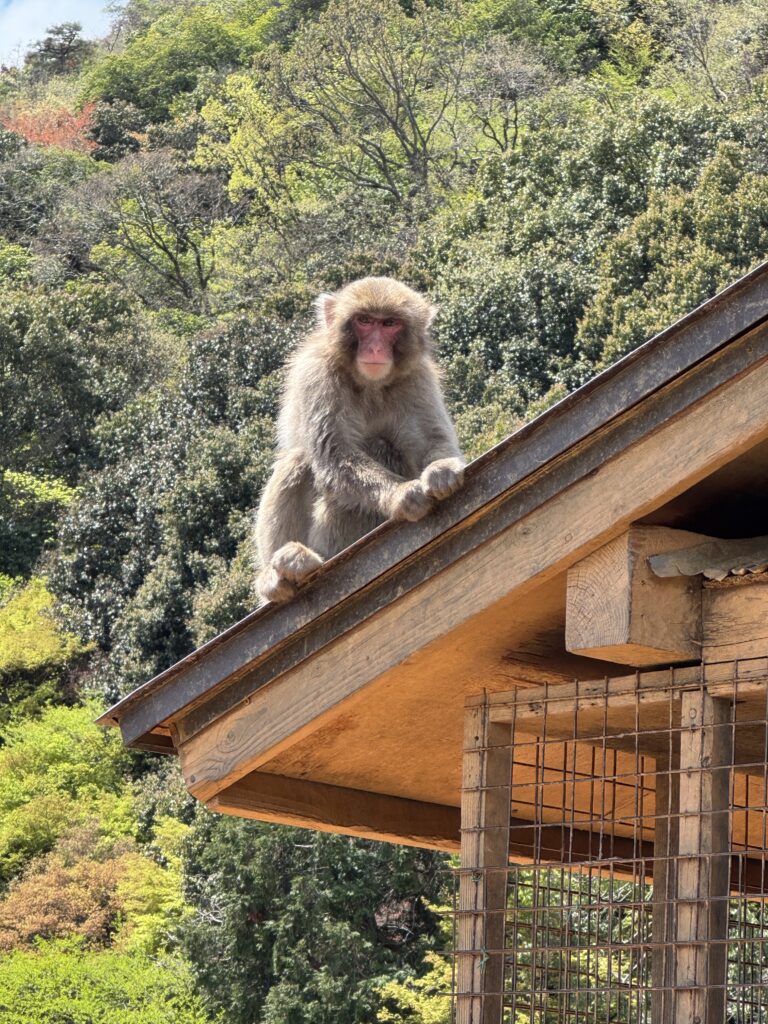
Arashiyama Monkey Park Iwatayama (9am-4pm): A hillside park (warning, it’s not the easiest climb up if you have mobility issues) where you can observe wild Japanese macaques up close and enjoy beautiful views over Kyoto.
Tenryu-ji Temple (open 8:30am-5pm): A UNESCO-listed temple complex renowned for its gardens that are set against the Arashiyama mountains.
Back in Central Kyoto for Dinner & Cocktails
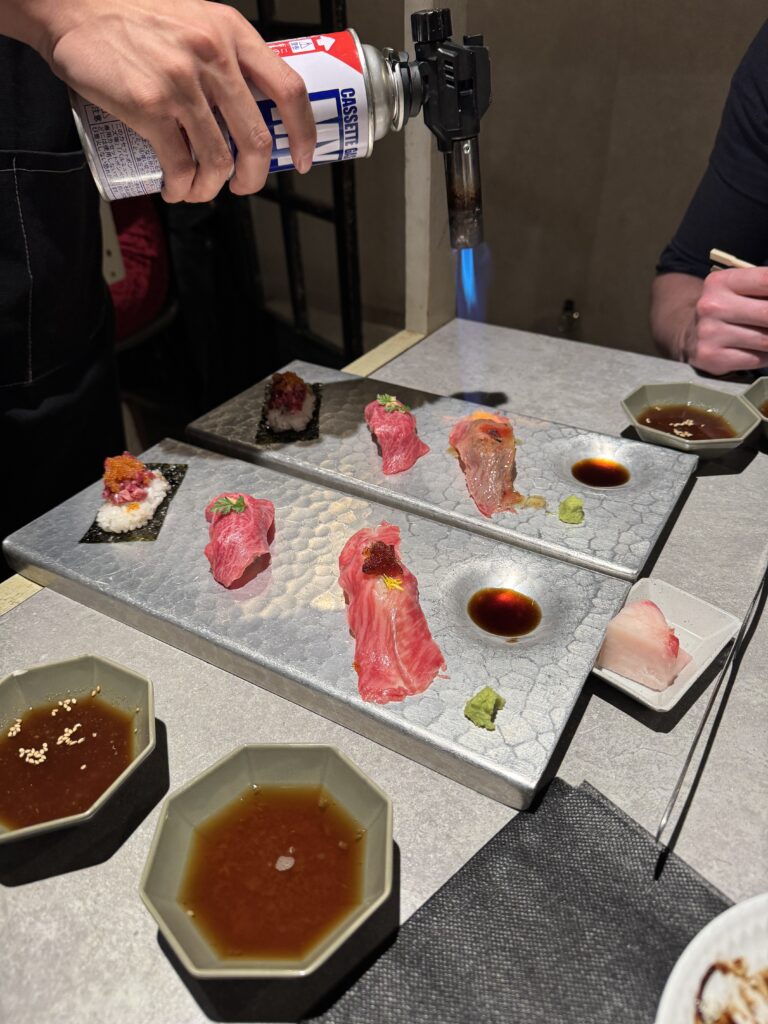
Once you arrive back in central Kyoto, where you’re staying, you can book yourself a reservation for a wagyu set menu if you wish. We did this at a place called Enen, and it was delicious! You can also pop into a local cocktail bar for some elevated cocktails. Kyoto has a bunch, but Bee’s Knees is just down the street from Enen.
Day 7: Kyoto’s Sake & Matcha Districts
To kick off another day around Kyoto, we’re heading to Uji for the morning (or afternoon, you could do these two places in reverse). Uji is nestled in the Kyoto Prefecture, and is a city most known for its green tea production. Uji is located along the Uji River, and its picturesque landscape, paired with its temples, shrines, and many traditional tea shops, makes for the perfect spot to spend a day or afternoon when visiting Kyoto, Japan. I will preface this stop by saying that I am a big fan of matcha tea, so Uji was a must-do for me, but even my husband, who thinks matcha tastes like grass, found it an interesting visit.
It’s so easy to get from downtown/central Kyoto to Uji. All you have to do is take public transit. The JR Nara Line is the line you’ll take to get from Kyoto Station to Uji. The train takes anywhere from 19 to 30 minutes, depending on whether you take a rapid or local train. Once you arrive at JR Uji Station, it is just a short walk to the main downtown area. Uji is also connected by public transit, and you can easily get around the town using transit if there are places you want to visit outside of the core.


What to Do in Uji
It’s no surprise that a lot of the things to do in this area are surrounding tea, which is an important part of Japanese culture, so even if you aren’t a big fan of tea (or prefer coffee instead), this can still be a unique experience for you.
Here are some of the tea activities you can do:
- Visit a Tea House: Experience a traditional Japanese tea ceremony at one of the many tea houses, such as Taihoan, or you can book one through Wabunka here. This is a great way to learn the history of the tea ceremony and participate in whisking your own bowl.
- Try Tea-Flavoured Everything: Byōdō-in Omotesan is the main street leading to Byōdō-in Temple, and it is FILLED with cafes and restaurants serving literally everything you can imagine made with green tea, such as a matcha ramen and green tea desserts.
- Visit a Tea Farm or Factory: This isn’t as popular an activity because it can be out of the main core of the city, but some tea farms offer tours to learn more about the cultivation process. Tobi-en offers half-day and full-day tours, and Marukyu Koyamaen offers plant tours of their factory.
- Chazna Museum: See and learn all about the tea-making process at the Chazna Museum. You can even sign up for a fun matcha grinding workshop.
- Stock Up on Tea: If you are planning to buy tea in Japan, this is where to do it, and you’ll find many head offices and shops of popular green tea brands throughout the main streets of Uji.

Outside of the tea experiences, there are a lot of historic temples and shrines you can also visit while in Uji:
- Byōdō-in Temple: This is a must-visit when in Uji. This temple is a UNESCO World Heritage Site and is the temple featured on the 10-yen coin.
- Ujigami Shrine: Also a UNESCO World Heritage Site, Ujigami Shrine is one of Japan’s oldest existing Shinto shrines. It’s located uphill from Byōdō-in Temple and is incredibly serene.
- Koshoji Temple: Known for its beautiful foliage in the autumn, this peaceful temple has a beautiful garden and is another historic spot worth visiting in Uji.

Last but not least, soak in the beautiful scenery of this area by visiting:
- Uji Bridge: This picturesque bridge offers great views of the Uji River, and it’s hard to miss because it’s right in town.
- Walk the Riverbanks: The paths along the Uji River are perfect for a stroll, or grab a matcha to-go at a local cafe and enjoy it along the river.
Kyoto’s Sake District & Famous Shrine
Paired with this day is visiting Fushimi, which is known as Kyoto’s sake district. You’ll pass through this area on the way to/from Uji, so it makes sense for them to go together. The main reason that people want to come to this area is actually not just because of the sake, but also because of the famous Fushimi Inari Taisha Shrine.
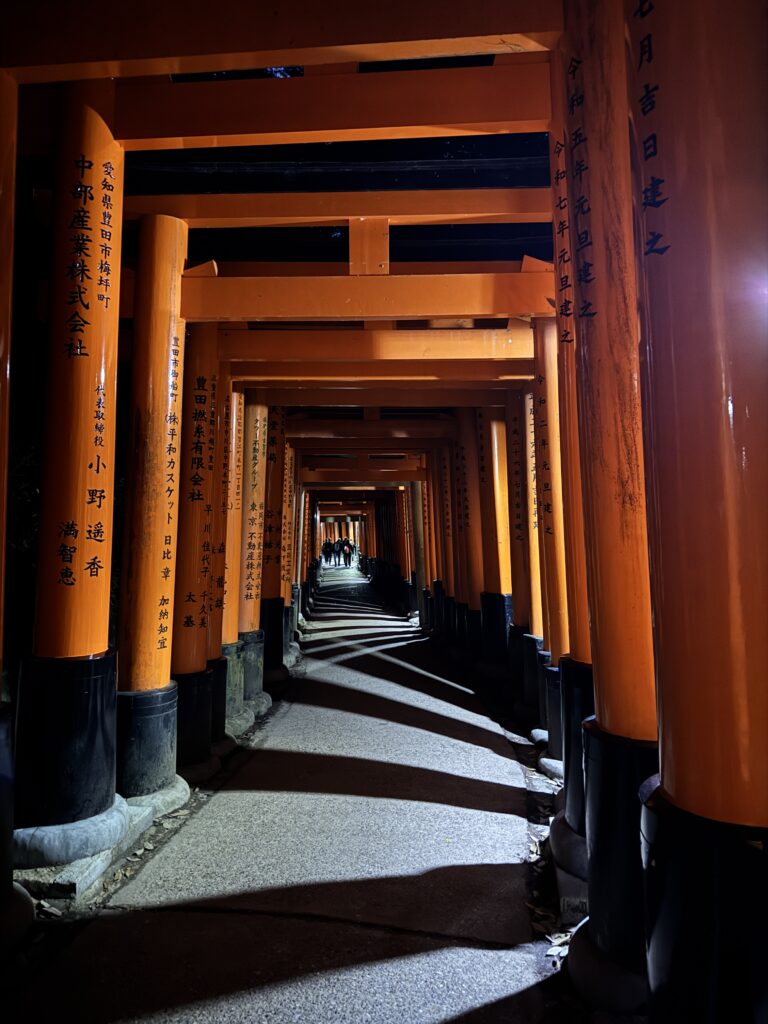
Fushimi Inari Taisha is known for its thousands of bright red torii gates that wind up Mount Inari like a magical tunnel. When you see photos of Kyoto online, this is often a focal point. However, because of this, it gets unbearably busy. There are some easy ways to avoid the crowds, though, even in tourist season. It’s important to note that it’s open 24 hours, which means you can visit very early in the morning or later at night and avoid the tour buses and crowds. We visited around 6-7pm and had it almost to ourselves at that point.
If you want to walk the entire summit, it takes about 2-3 hours round-trip. We decided to only walk partway, but the further past the gates at the beginning you get, the fewer people you’ll experience.
In this area is also Kyoto’s Sake District. This district is famous because of its pure spring water (perfect for sake brewing) and its centuries-old wooden sake breweries that line the canals. Visit the Gekkeikan Okura Sake Museum (open 9:30am-4:30pm daily) to learn how sake is made, and/or stop in one of the many breweries to do some sampling, like Kizakura. Most of the breweries are located along the Go-kawa River and close early, so you may want to do this earlier in the day, before Uji, or opt for either Fushimi or Uji, depending on your interests.
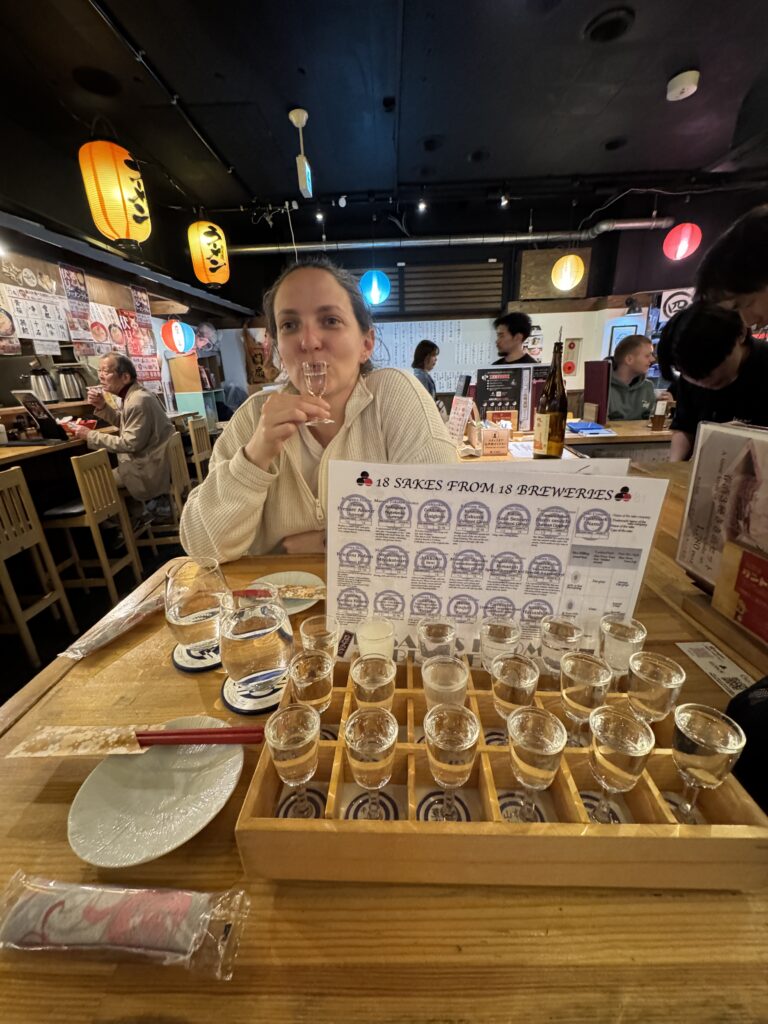
Fushimi Sake Village is also a fantastic stop. It’s a restaurant/bar where you can order different flights of sake. It’s a great way to try a bunch of local sakes in one spot. We did a flight that included 17 different sakes to try. Since I haven’t had a lot of sake in my life, this was a great way to introduce me to all the different styles, including which ones I liked vs. didn’t like.
Day 8: The Traditional Side of Kyoto
Now that you’ve spent multiple days exploring all the different areas of the Kyoto prefecture, it’s time to spend time centrally in the traditional/historical side of Kyoto. This is often the only area that tourists explore when they visit Kyoto, which is a huge miss because, as you can see from the days’ itineraries above, there is so much to see and do in Kyoto.
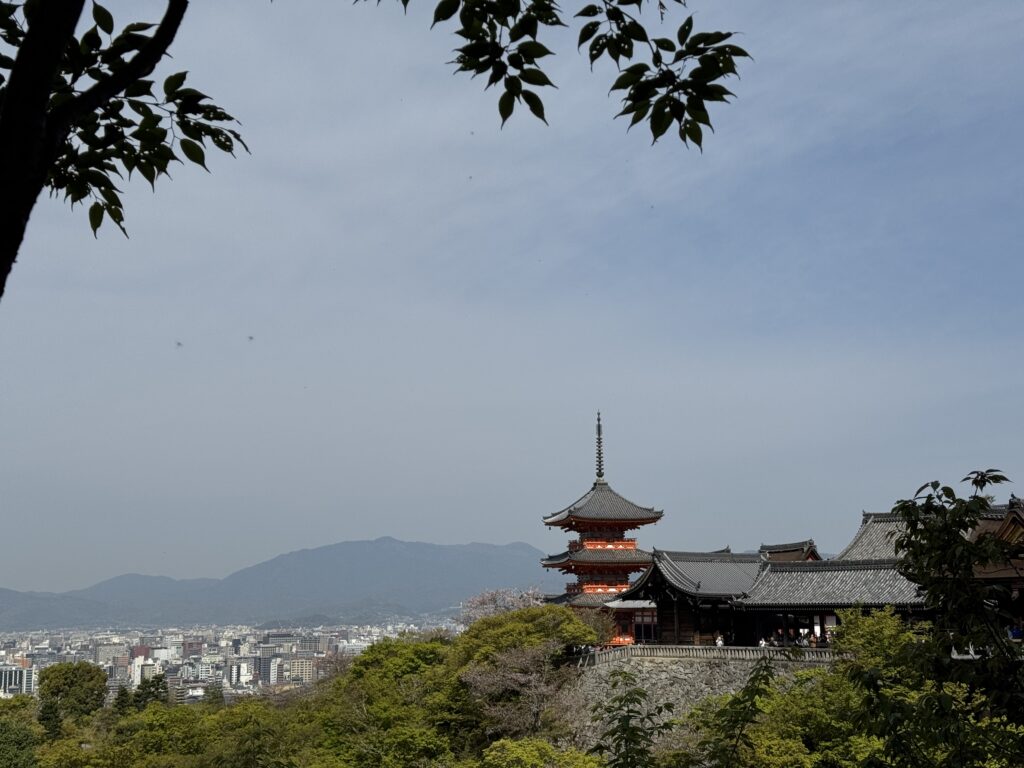
Start Your Day Early in the Historical Area of Kyoto
Since this is such a touristy area of the city, you want to start your day off early (by 7am approximately) to explore some of the busiest areas before everyone else does. There won’t be much open at this time, but it’s very peaceful to walk among the historic streets, and you can always return later when things open and all the floods of tourists arrive.
Your first stop should be Kiyomizu-dera, as it opens at 6am and is a gorgeous temple, but it becomes busy quickly as the morning progresses. After, you’ll want to spend some time on the streets that lead to/from the temple (Ninenzaka and Sannenzaka) as they are lined with cute shops and cafes. If things aren’t quite open yet as you’re leaving the temple, you can always come back here later in the morning, as everything is within walking distance.
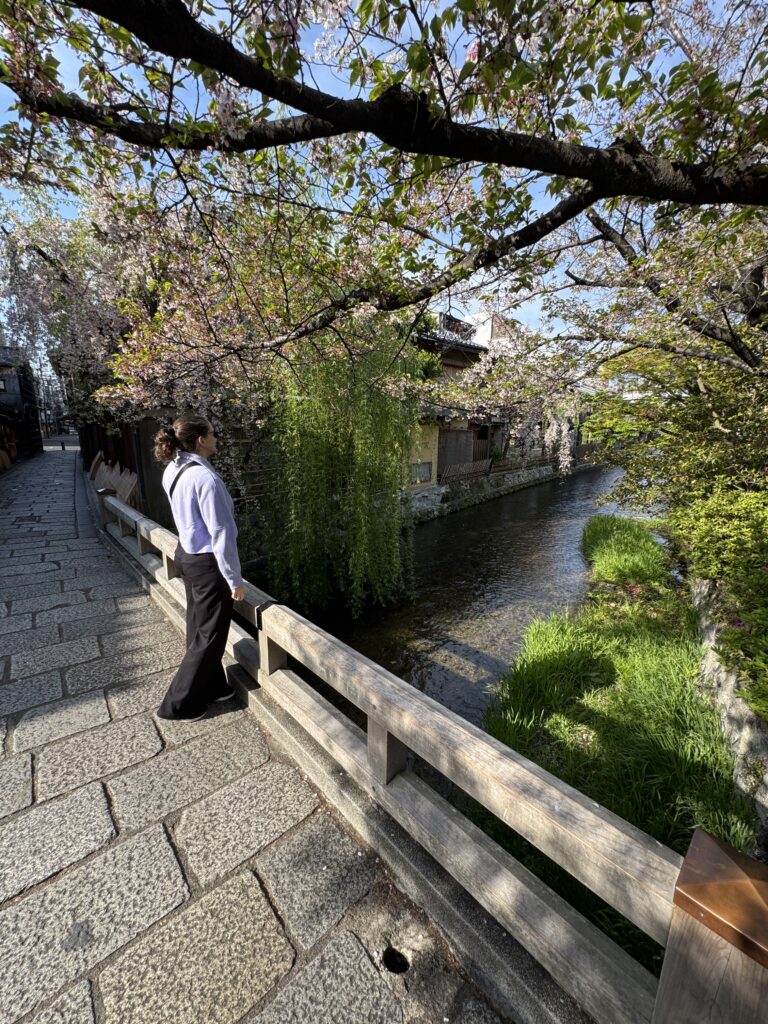
Next, head to Higashiyama Ward, which is a historically preserved area that is lined with wood-built historic lanes with tea houses, stores, and restaurants. As mentioned, come early to explore the historic streets and really take in the architecture, but stores won’t open until later. The same goes for Gion, known as the geisha district. Go early to avoid the crowds, but come back later to visit the shops, cafes, etc. when they open. Some famous spots in Gion are:
- Shirakawa (along the canal)
- Shinbasi-dori (a very whimsical pocket)
- Tatsumi Bridge (famous from The Memoirs of a Geisha)
- Hanami Lane (contains most historic architecture)
- Kodai-ji Temple (9:00am-5:00pm)
- Kenninji Temple (10:00am-4:30pm)
- Shinmonzen-dori (antique & art street)
- Maruyama Park (great spot if cherry blossoms are still in bloom. They have an iconic weeping cherry tree)
➡️ Tip: I’ve mapped all the above Gion locations out for you here.
Catch a Geisha Performance and/or Join a Traditional Tea Ceremony
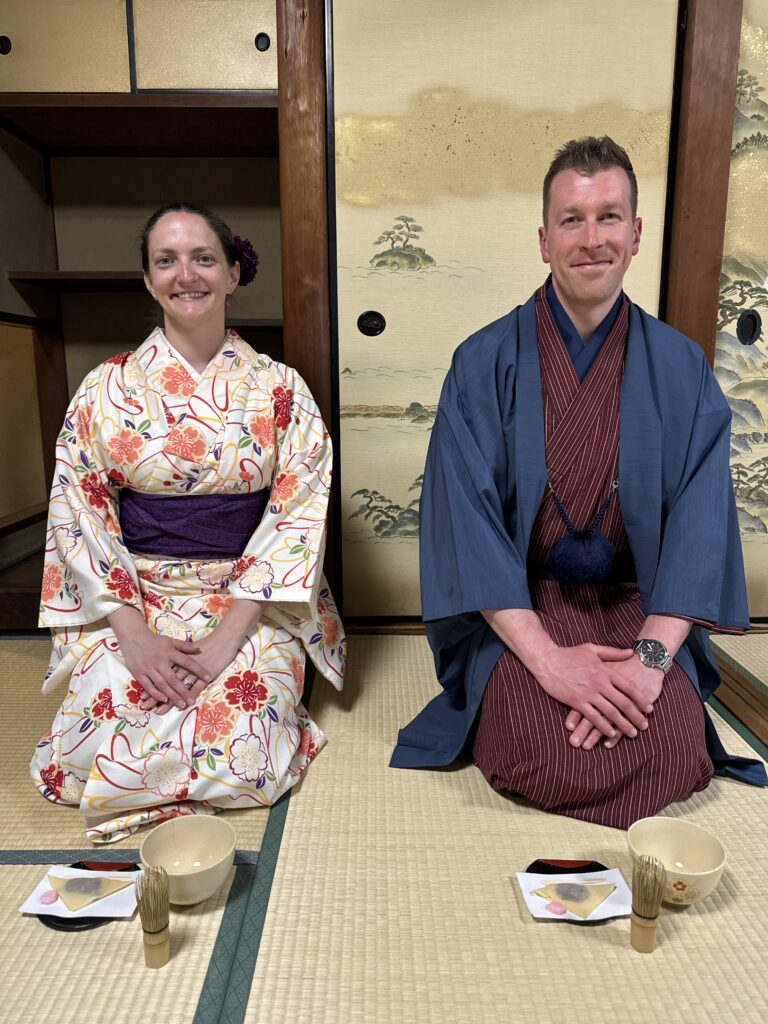
If you’re lucky, you will be there when the Miyako Odori in April to catch a special performance by geishas. Buy tickets well in advance! Another cool experience is to book a traditional tea ceremony. I did one with Maikoya, who has multiple locations in Kyoto, and they dressed us up in traditional attire and taught us all about the tea ceremony ritual. It was a really unique and educational experience. Another place you can book traditional tea ceremonies through is Wabunka.
➡️ Tip: Check local events happening here in Kyoto for when you’re visiting and try to catch one of their traditional festivals.
Dinner in Pontocho Alley
For dinner, head to Pontocho Alley, known as the most beautiful alley in Kyoto. There are a lot of great food options and bars around here, if you want to plan to come around lunch or dinner. If you arrive around sunset, you may luck out and see geishas practising on the parallel street.
Day 9: Island Beauty in Miyajima
As your time comes to an end in Kyoto, you’ll start to make your way to Osaka with a short stay in Hiroshima and Miyajima. This is a must-do and an important stop to learn about a monumental moment in Japanese history. Although the stop can carry an emotional weight, you also get to experience the beauty and resilience of this spot in Japan.
Most people’s itinerary for their first visit to Japan includes Tokyo, Kyoto and Osaka, and Hiroshima is an easy stop on this route when travelling between Kyoto and Osaka (or vice versa). You don’t need a ton of time here to check off the main attractions, so it’s a nice stopover to add onto your itinerary.
Getting There
To get to Hiroshima, you can easily book a train from Kyoto or Osaka. The ride is about an hour and a half from whichever city you are coming from.
I’d recommend taking a morning train so you arrive in Hiroshima with almost a full day. Your first stop should be to drop your bags at your hotel, or alternatively, you can head right to Miyajimaguchi Station, which is home to the main ferry terminal to Miyajima, where you’re going to spend most of your day.
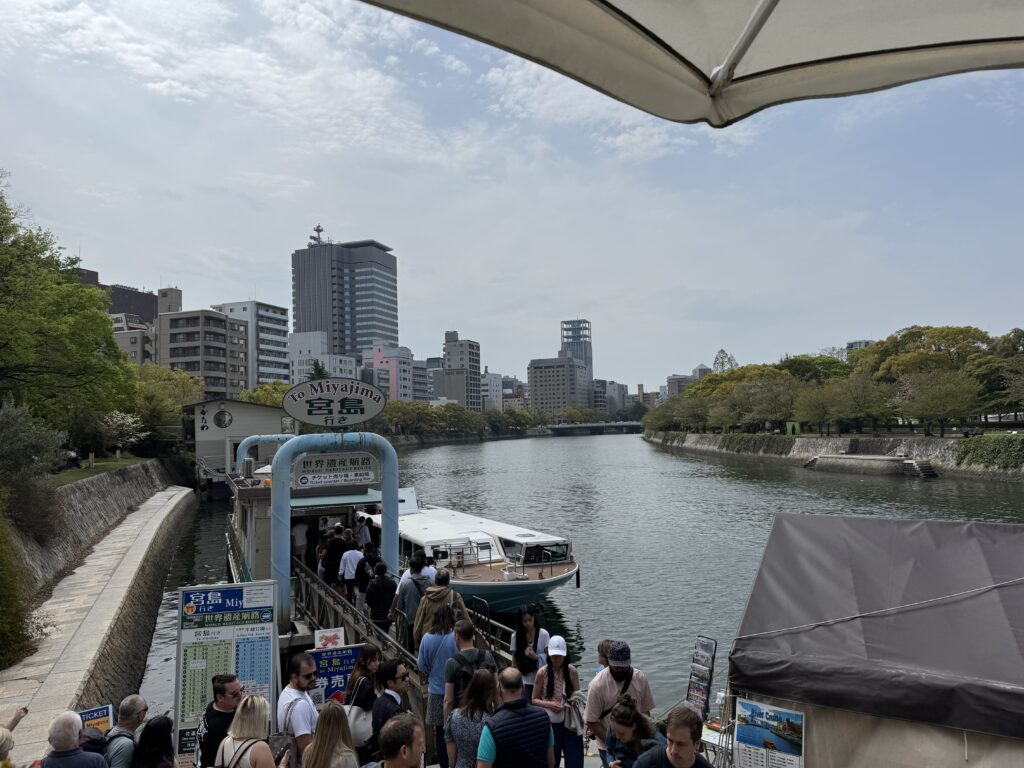
It’s important to note that there are a few different ferry terminals that can take you to the island, so choose which option is closest to your hotel or most convenient for you. For example, we stayed at Hotel Kuretakeso, which was closest to the departure point at the Motoyasubashi Bridge. However, departures from here depend on the tides, so make sure to check their website before heading over. You can buy tickets there, but depending on the time of year, it can get busy and sell out, so arrive in advance of the ferry you want to take.
What to Do in Miyajima
Once you arrive on the island of Miyajima after a short ferry ride, you’ll be greeted by the cutest spot that has so much to do. Since you may not have time to do it all, I’m giving you a list of the must-dos for you to choose from. I’ve made a note of what we included during our day.
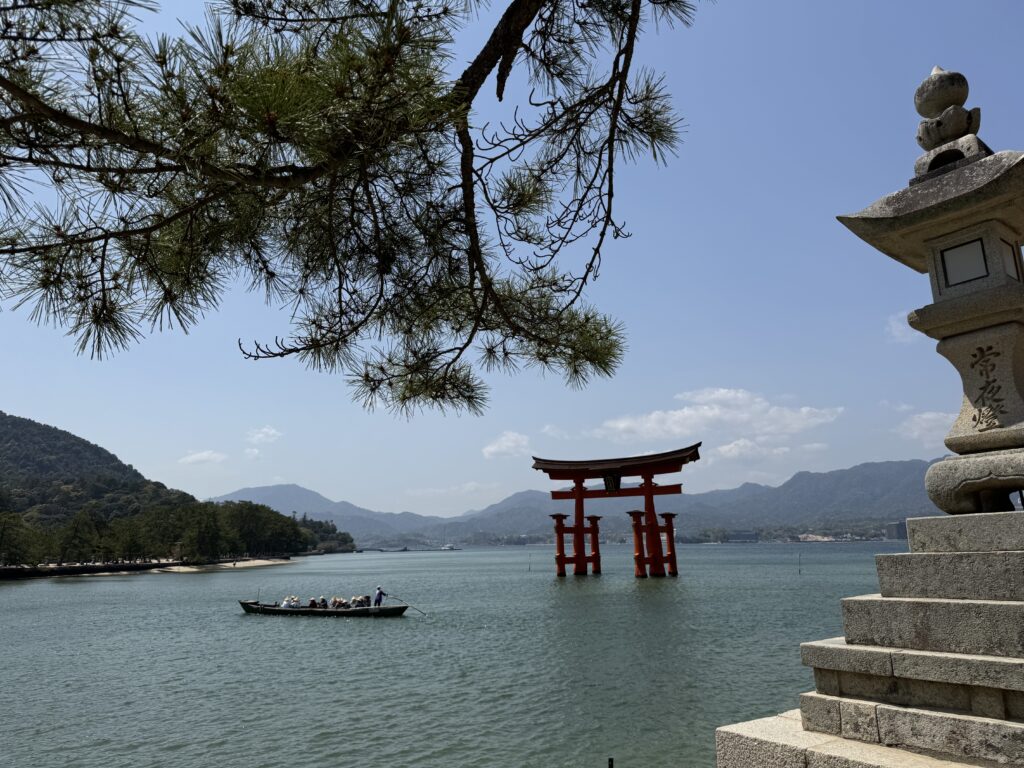
- Itsukushima Shrine (open 6:30am-6pm) & Grand Torii Gate: This is home to the notable “floating” gate when the tide is up and when the tide is out you can walk all the way out to it. This Torii Gate is a World Heritage Site and so dreamy along the beautiful blue water. You can catch the best view of the Grand Torii Gate from Itsukushima Shrine.
- Miyajima Ropeway (open 9am-4pm): The Miyajima Ropeway is a scenic cable car ride that takes you up Mount Misen, the tallest mountain on the island. It’s the prettiest (and easiest) way to get the amazing, panoramic views without committing to a hike. Especially if you are short on time!
- Miyajima Omotesandō Shopping Street: This is the island’s main street that stretches from the ferry terminal toward the Itsukushima Shrine. It’s lined with souvenir shops, sweet treats like the famous momiji manju (the maple leaf cookie that is famous on the island), and other great spots to eat. In this area, you’ll also find Miyajima Brewery (open 10:30am-5pm), where you can try lemon beer, and you should also look for the Miyajima-style eel or a grilled oyster to try. Both must-try foods of the island!
- Hiking Mount Misen: Remember how I mentioned skipping the hike for the ropeway above? If you are ambitious and have the time, you can hike up Mount Misen instead. It takes about 1.5-2 hours to reach the summit via three main trails (Momijidani, Daishoin, and Omoto). Make sure to start early to beat the heat, and wear proper footwear. AllTrails is a great app to download to read more about the trails.
- Other Temples & Shrines: Like anywhere in Japan, there are lots of other temples and/or shrines to visit, like Senjōkaku Hall (open 8:30am-4:30pm), Daisho-In Temple (open 8am-5pm).
Head Back to Hiroshima & Enjoy the Evening
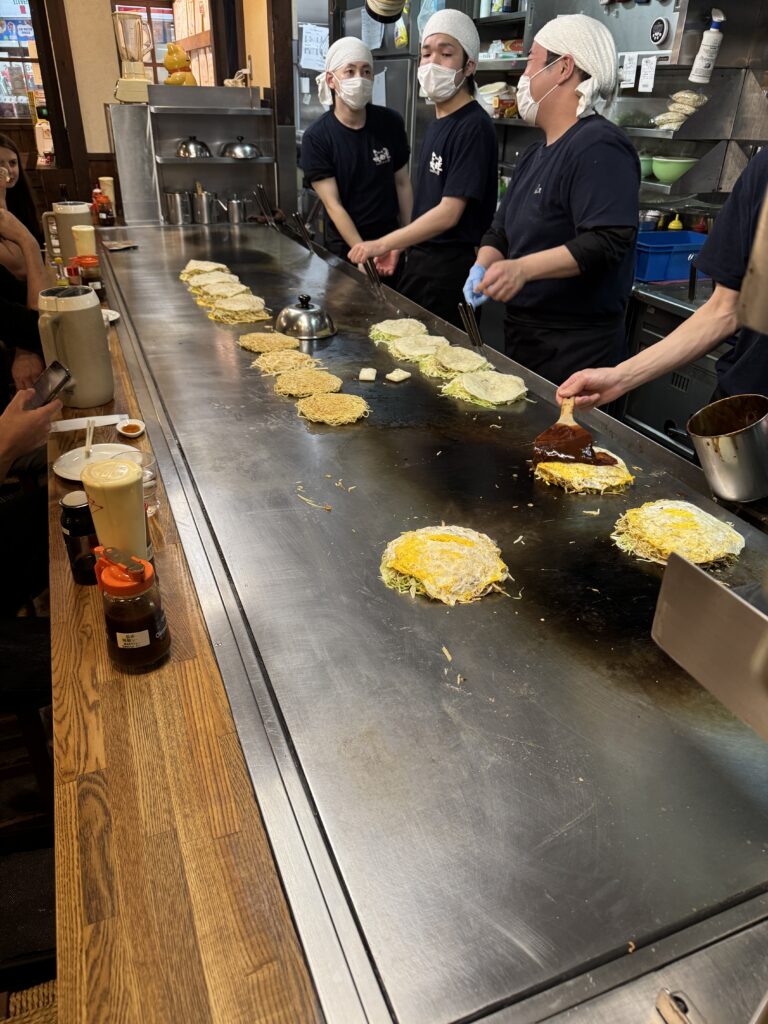
Once you’re done, catch the ferry back to the mainland to explore some of Hiroshima. Since it’s likely almost dinner time, you may want to head to Hondori Walking Street, which is lined with restaurants and shops. You can also make a stop at Raku Brewery to sample some local craft beers, but the absolute must-do is find a spot for Okonomiyaki. This was probably one of the top things we ate on our whole trip in Japan.
Okonomiyaki is a savoury pancake that’s so comforting. It is made out of a batter of flour, eggs, and shredded cabbage, then cooked on a hot griddle (usually in front of you), then finished with a sweet-savoury sauce, mayo and bonita flakes. They usually have several different options of things you can also add in. What makes Hiroshima-style different from getting the dish in other areas, like Osaka, is the layered approach instead of mixing everything together. They stack the ingredients, and the result gives a lighter, taller, and more structured pancake. It’s honestly SO delicious. There are lots of spots you can get it, but we went to Nagataya, which is one of the more well-known spots. We did have to wait in line, but the end result was so worth it.
Day 10: History of Hiroshima & Train to Osaka
Today you’re going to get up early because you want some time to explore Hiroshima before heading to Osaka.
Learning the History of Hiroshima
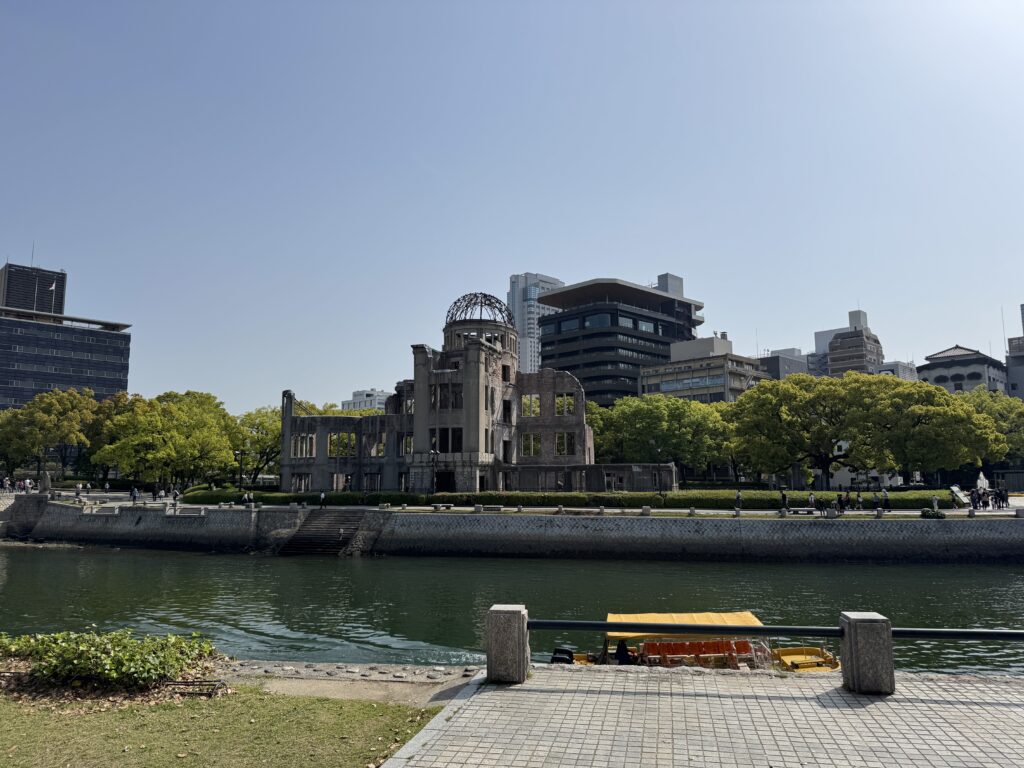
Your first stop will be the Hiroshima Peace Memorial Museum (open 7:30am-7pm). Since the museum opens early, we bought tickets in advance online and went for the opening.
The museum is obviously a must-do to really learn about the history of Hiroshima. I recommend getting the audio guide with your ticket to really help you get the most out of the museum. Afterwards, take a walk through Memorial Park that surrounds the museum and visit the Atomic Bomb Dome. Once you go through the museum, it really puts into perspective where you’re standing and how amazing it is that the city has rebuilt itself.
Getting to Osaka
Osaka is known as Japan’s vibrant kitchen and cultural powerhouse. The streets are lined with neon-lit signs, and in every corner, there is something new to see. Osaka can sometimes be overlooked on a beginner’s guide to Japan, or many people only come to the city for a day trip, but if you leave yourself enough time to truly dive into everything this city has to offer, I promise you won’t be disappointed.
From the stunning Osaka Castle to the Takoyaki and food specialities that are never-ending, Osaka is such a fun, vibrant city that you could spend weeks in, but we’re just going to spend a few days there to make the most of our time. First things first, how do you get there?
Train: The quickest way to get from Hiroshima to Osaka is by taking the bullet train (Shinkansen). It takes about 1.5-2 hours and will take you to the Shin-Osaka Station. Make sure to book your tickets in advance.
Bus: The slower, but more budget-friendly option is the bus, but it takes 4-5 hours, and obviously, if there is traffic, it takes longer. To me, it’s not worth wasting your full afternoon to save a few bucks.
Car: If you have access to a car, the drive is about 4 hours, depending on traffic. You will have to pay highway tolls along the route.
Explore Osaka
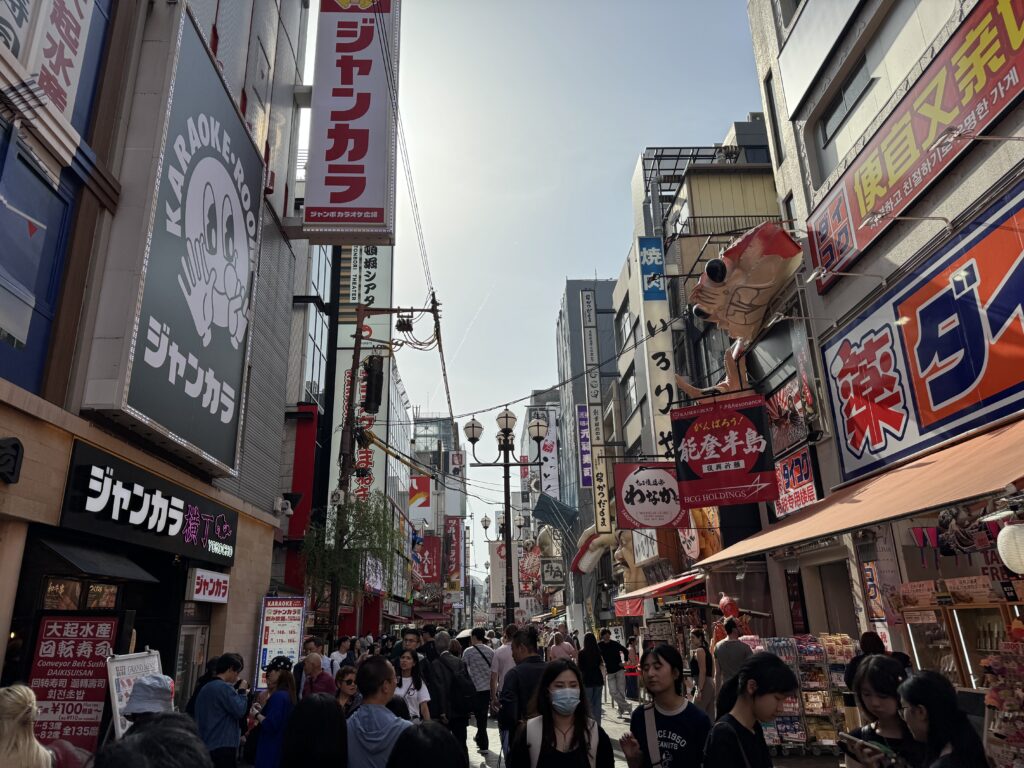
Once you arrive and get settled in your hotel, you can head out to Dotonbori. Dotonbori is Osaka’s famous entertainment district. You’ll find endless streets of neon lights, giant billboards, and the iconic Glico running man. It’s a paradise for foodies, packed with street stands selling local delicacies and everything in between. You could spend hours here just people watching and eating.
I’d spend most of your afternoon here and perhaps find somewhere for dinner on one of the side streets.
Day 11: Explore the History & Local Neighbourhoods in Osaka
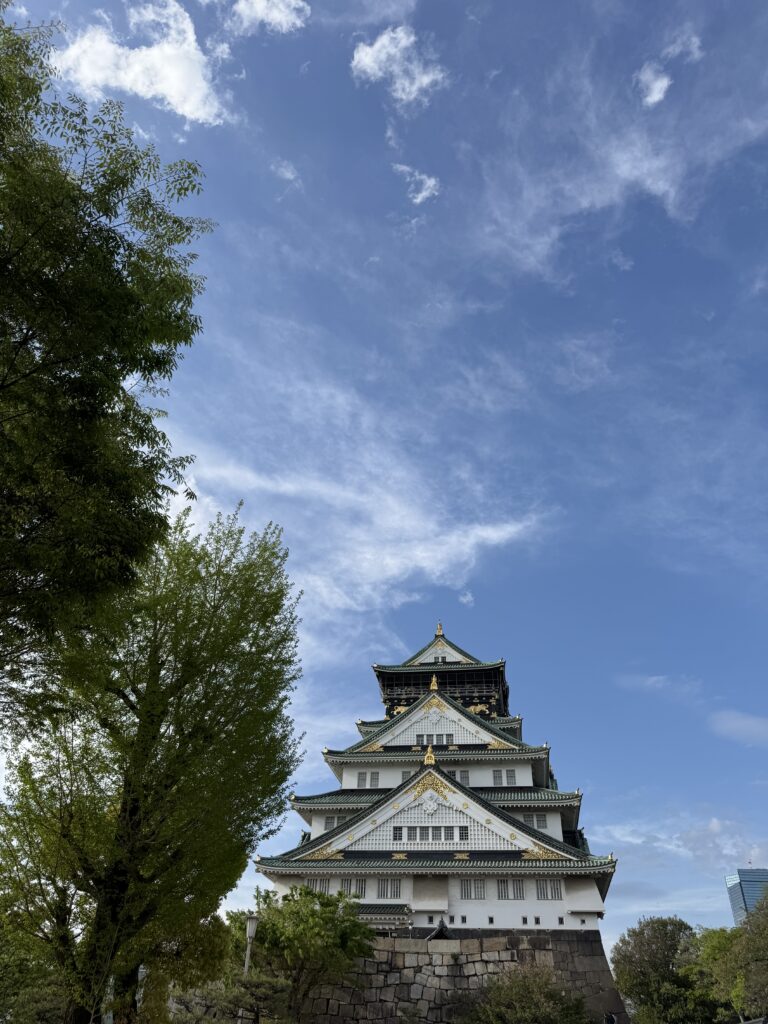
Kick your day off by heading to Osaka Castle (9am-6pm). Osaka Castle is one of Japan’s most famous landmarks. I have to admit, I was a bit disappointed when we entered this beautiful, historical castle to find a modernized inside. Although I wish the inside were preserved from what it once was, the castle itself is so grand and beautiful. Even if you only enjoy it on the outside and spend some time in the park that surrounds it. Since this is a major tourist attraction, going early and buying your tickets online will help you beat the crowds.
When we visited in late April, the cherry blossoms were all in bloom in the park around the castle, and we grabbed a drink at a convenience store in the park and set up a spot underneath the blossoms with the locals. It was one of my favourite afternoons. Even if you aren’t visiting during cherry blossom season, the park is quite grand and can be a great spot to pack a picnic and enjoy some nature right in the midst of the busy season.
What to Do in Osaka
For the afternoon, you can pick and choose what to do based on your interests. Some options:
- Osaka Museum of History (9:30am-5pm, closed Tuesday’s): Right next to the castle, with cool exhibits and panoramic city views from the top floors.
- Namba Yasaka Shrine (Open 24 Hours): Famous for its giant lion-head front. Most people do not go inside this shrine, so it’s a quick add-on to just walk by and enjoy the outside.
- Osaka Science Museum and/or National Museum of Art (9:30am-5pm, closed Monday): Both on Nakanoshima Island.
- River Cruise on the Okawa River (10am-4pm): A chill way to see Osaka’s skyline from the water. They also run sakura cruises during sakura season.
- Umeda Sky Building (9:30am-10pm): An observation deck with beautiful views of the city.
- Kuromon Ichiba Market (9am-6pm): This market is a giant market filled with vendors selling street food, fresh produce, seafood, and everything in between. We did a food tour of this market, and it was a great way to try and learn about different foods from the area.
- Sennichimae Doguyasuji Shopping Street (10am-6pm): A street dedicated to kitchen supplies and souvenirs. It’s a great spot for shopping, especially if you are looking to bring home Japanese cookware, pottery, etc. I bought a Japanese knife here and a few dishes.
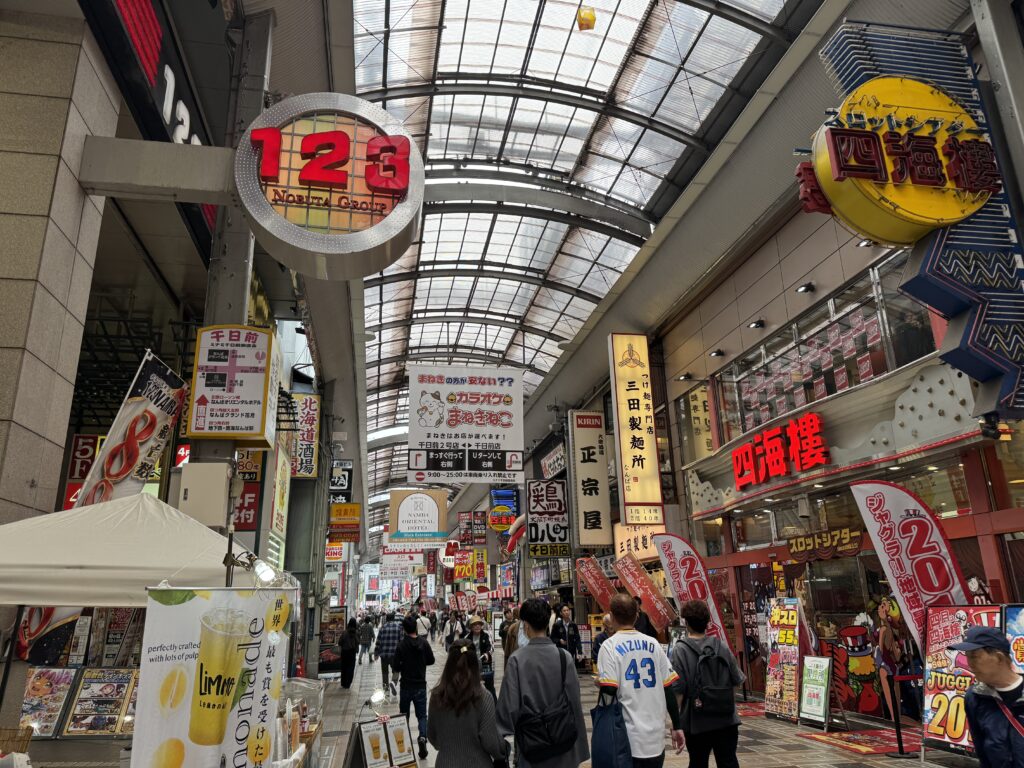
- Tsutenkaku and Shinsekai Area: For a glimpse of Old Osaka. This area was developed before the war, so it has a retro vibe. It can be a little dodgy at night, but there are always so many people around that you will feel fine. Spend your afternoon here eating and exploring. A local delicacy to try in this area is Kushikatsu, which is a deep-fried skewer of meat, seafood or veggies. You’ll see lots of vendors selling these. You can also go up the Tsutenkaku Tower, which has an observation deck at the top.
An Omakase Experience for Dinner
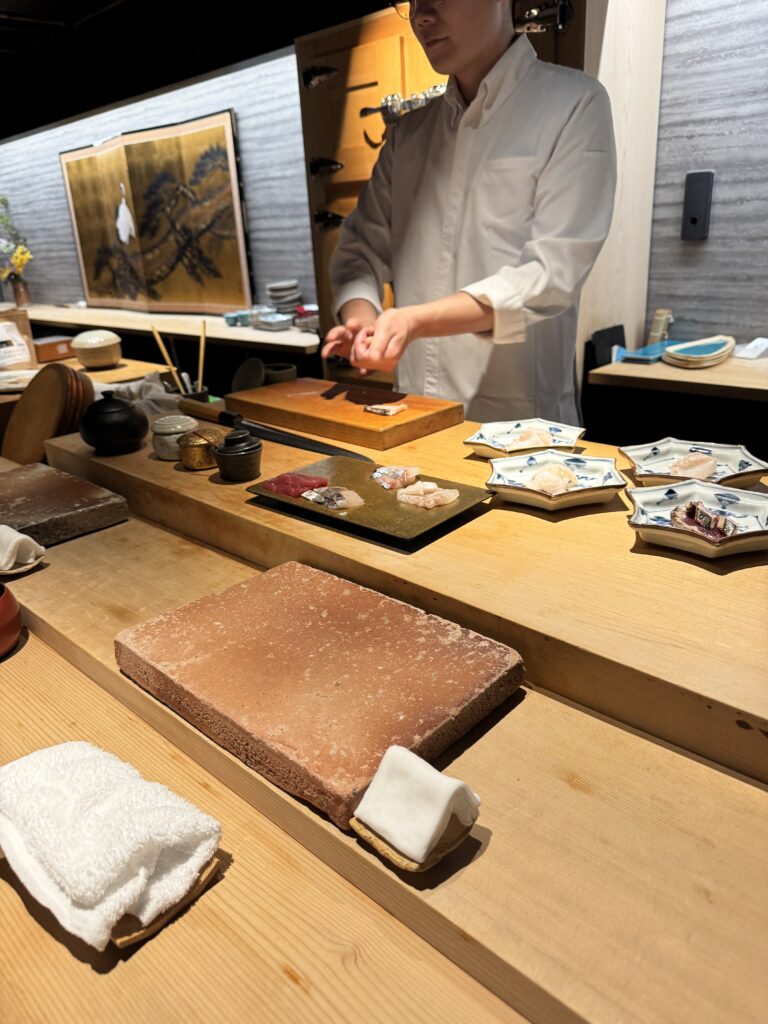
Once you head back to your hotel and get cleaned up, I recommend trying a local omakase. There are tons in Osaka because it is such a food-centric city, but we picked Sushi Atsuya because it was reasonably priced and had great reviews. Make sure to make a reservation well in advance, as these restaurants have limited seating.
➡️ Tip: If you are a picky eater or have many dietary restrictions, an omakase is likely not for you, as mostly all of them do not cater to this. They follow a set menu that rotates regularly, and you don’t usually know what you’ll be enjoying until you are there. So if you fall under this umbrella, opt out of the omakase and look for a regular restaurant with a menu instead!
Day 12: Day Trip to Kurashiki
On your final day in Osaka, we’re actually going to venture out on a day trip to Kurashiki.
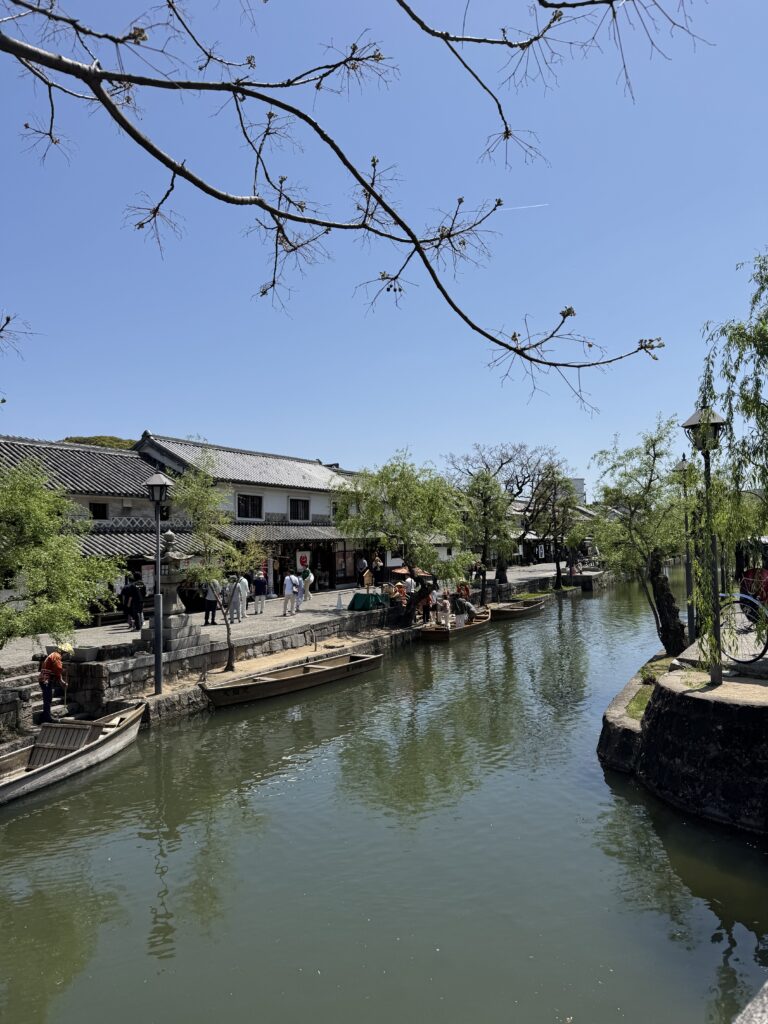
Located in the Okayama Prefecture, Kurashiki is a historic town that is the perfect spot for a day trip from the hustle and bustle of Osaka or Kyoto. It’s a peaceful town known for its historical quarter that showcases picturesque canals lined with weeping willows and adorable shops. Nicknamed “the Venice of Japan”, Kurashiki is such a fun spot to explore for a day. To get there, it’s about a 1.5-hour journey from Shin-Osaka Station. Take the Sanyo Shinkansen to Okayama Station (45 minutes to an hour), then from there transfer to the JR Sanyo Line or the JR Hakubi Line to Kurashiki Station (15-20 minutes).
What to do in Kurashiki
Kurashiki Bikan Historical Quarter
This is the main attraction of the city and where you’ll spend the bulk of your time. It has beautifully preserved streetscapes and stone bridges over the canals. It’s truly beautiful, and you can spend the day enjoying the views, shops, and cafes.
Some of my fav spots were:
- Tsuneki Tea Shop (the sweetest older man ran this shop and was so proud to show me his famous sencha tea)
- Kurashiki Cafe Anzu (a great spot to grab a local lunch)
- YAMAU coffee stand (for a latte or coffee)
- caféつむぐ (for a matcha latte)
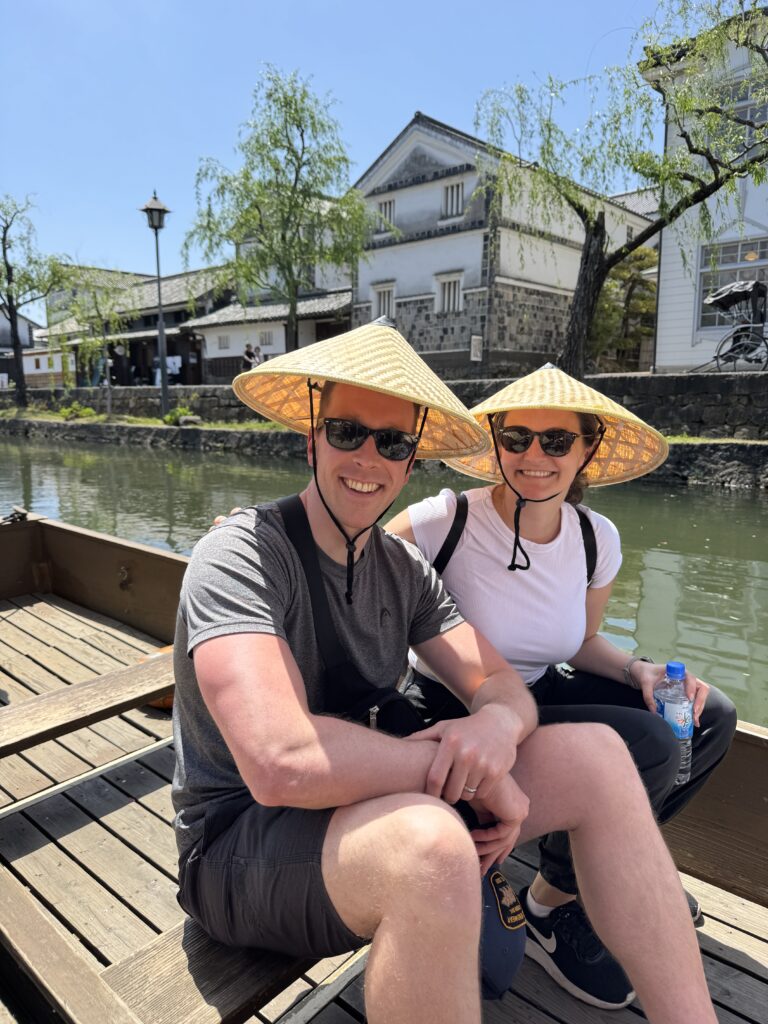
Boat Ride Down the Kurashiki River
This is a short, but must-do activity. When you arrive in the historical area, purchase tickets at the Kurashiki Tourist Centre, which opens at 9am. They sell out early, so make sure you arrive there first thing.
Piggey Bank Museum
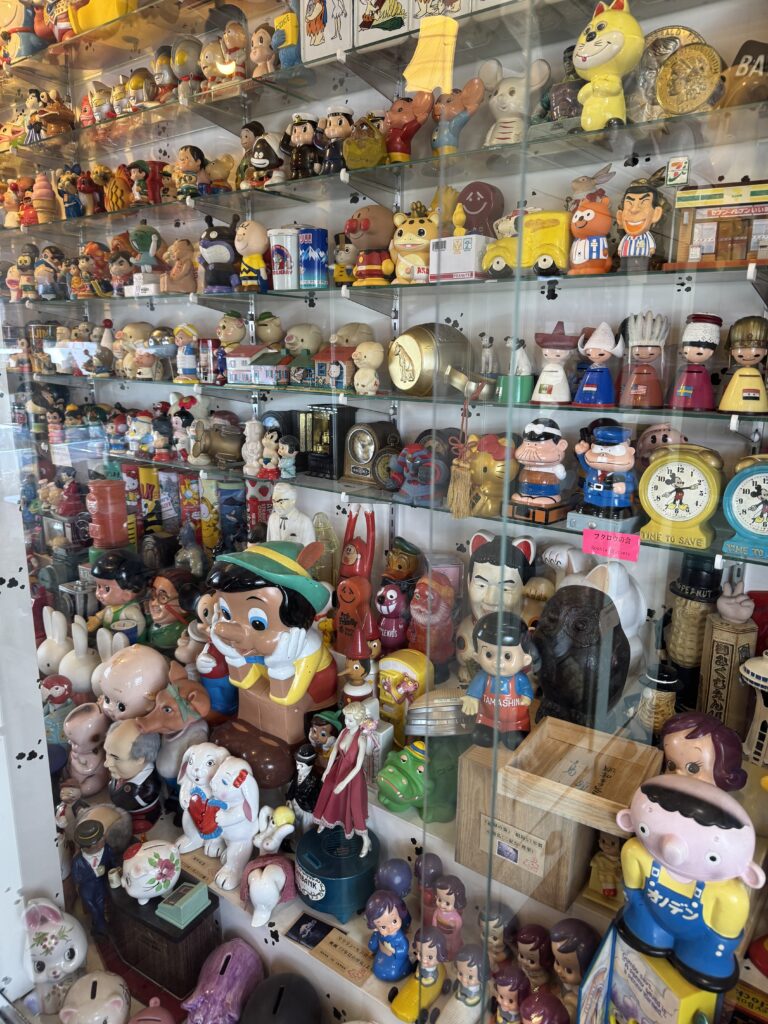
Located just up the street from the historical quarter, this Piggy Bank Museum is truly unique. Loaded with vintage piggy banks, toys, and more. It’s definitely a quirky museum and worth a visit.
Kanryuji Temple
Located on a hill just a short walk from the historical quarter, this temple offers a tranquil escape with city views. It was founded in 985 AD and is a serene Buddhist site that’s worth checking out.
Achi Shrine
Achi Shrine is an ancient Shinto shrine that is a popular spot for visitors to climb the stone steps for a panoramic view of the town’s canals and rooftops. The shrine is also famous for its centuries-old wisteria trees, which bloom beautifully in late spring.
Kurashiki Denim Street
Kurashiki has a history in textiles, most specifically, denim. Its infamous “Denim Street” is located in the historical quarter and is lined with shops selling high-quality Japanese-made denim, and even denim-themed treats like blue ice cream and steamed buns.
Ohara Museum of Art
This is one of Japan’s most famous private art museums, which is totally unexpected in a small town. It houses Western masterpieces from artists like Monet and Picasso.
Japan Folk Toy Museum
Another quirky museum displaying thousands of traditional folk toys from all over Japan and the world. We really loved exploring this unique spot in the historical centre.

Day 13: Back to Tokyo for Skyscrapers, Neon & Nightlife (Shinjuku)
Just like how we started our trip, we’re going to end in Tokyo. There is still so much to see, and we’re saving the busy neon lights and nightlife of Shinjuku and Shibuya for the end. To get back to Tokyo from Osaka, you’ll want to take the quickest way, which is by the bullet train. This will take around 2.5-3 hours, and you’ll arrive at Tokyo Station.
We decided to base ourselves in Shinjuku for this Tokyo visit, given the areas we wanted to explore for the end of our trip. We stayed at Onsen Ryokan Yuen Shinjuku, and it was a great base, centrally located but also felt like a nice little oasis in the city with an incredible rooftop onsen to rest and recover in at the end of the busy day.

What to do in Shinjuku
Shinjuku is full of bars, clubs, neon-lit signs and businesses stacked one on top of another. It feels like Times Square but on steroids. Some must-do things in this area are:
- Godzilla and 3D Billboards: It’s hard to miss these if you’re in Shinjuku, and they’re so fun to watch. Godzilla lights up, roars and blows smoke for an hour between 12pm-8pm. The cat 3D billboard appears throughout the day between ads and has different modes throughout the day.
- Omoide Yokocho (aka Piss Alley): A busy, famous street lined with restaurants and nightlife. We had a guide who said you should never eat here unless you want food poisoning, but it’s fun to walk down and have a drink at one of the bars to enjoy the chaos.
- Metropolitan City Building: This building has a free observation deck and can be a great, free alternative to the famous Shibuya Sky. We opted for Shibuya Sky, and honestly, we wished we just done this free one because it was a rainy day and we saw nothing!
- Shinjuku Gyoen National Garden: You can find some late-blooming varieties of cherry blossoms here, and overall, it’s just a nice escape from the busy city.
- Kabukicho: Tokyo’s red light district. This area isn’t like what you’d find in Amsterdam, with naked girls throwing themselves at you through the window displays; in fact, you may not even realise you’re in the red light district until you look closely at the signs and businesses around here.
- Golden Gai: This is such a fun little nook in Shinjuku that is lined with tiny bars. Each bar can only fit around 5-8 people, and there is just a fun vibe here for a night out.
- Join a Food Tour: If you want to try the food scene in Shinjuku with some help from a local, Ninja Food Tours has a variety of food tours and experiences. We did the Shinjuku Izakaya Tour, and we had a fantastic group of people with us, and an informed guide to take us to some unique restaurants that only the locals know about.
Day 14: Tokyo’s Trendy Side (Shibuya and Harajuku)
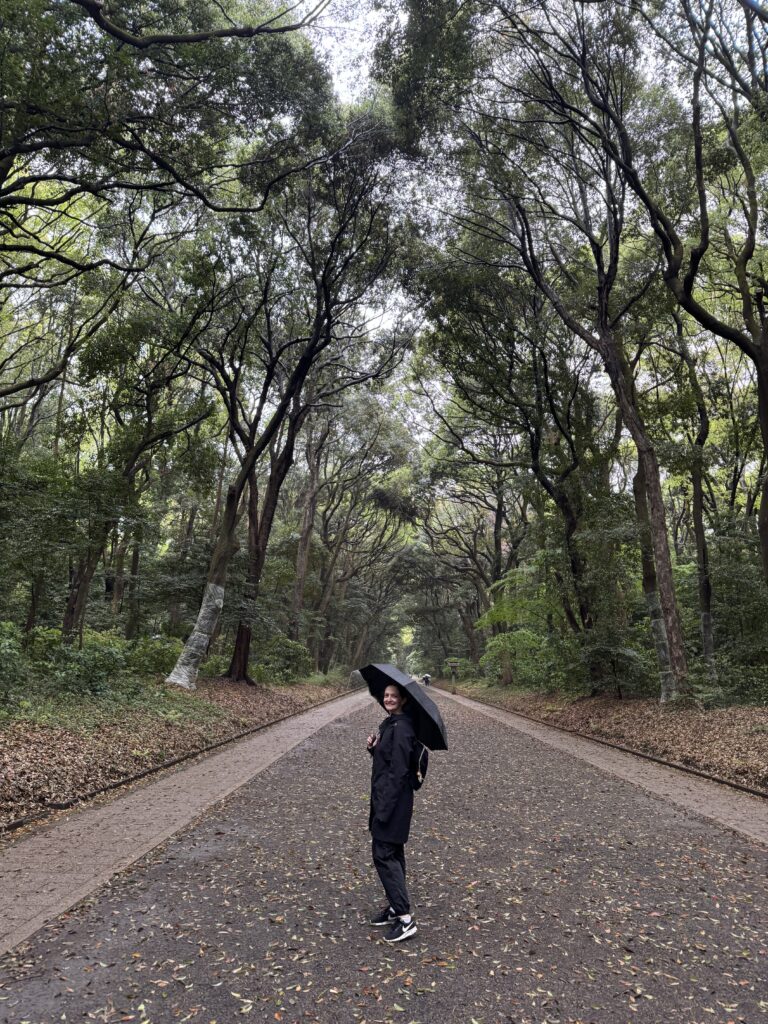
Your last and final day in Tokyo will be in Shibuya, but before you get there, I recommend Meiji Shrine. This shrine was one of our favs on our trip through Japan because it’s located in Yoyogi Park. You don’t even feel like you’re in the midst of a bustling city as you walk through the park to the shrine. It was so peaceful and beautiful, and since it’s open early, it’s a great place to start your day before the rest of the city starts opening up. Harajuku is also in this area if you want to stroll through there before heading to Shibuya.

Shibuya
After the shrine, head to Shibuya. It’s about a 15-minute walk from here. Shibuya is a major commercial centre and is PACKED with shopping, restaurants, bars, and everything in between. There are a few key tourist attractions that you’ll find in Shibuya, such as:
- Shibuya Crossing: I think crossing the street is a bit lacklustre, but for some people, this is a must-do. However, it can be cool to watch the crossing from above at the Starbuck’s here or Share Lounge.
- Hachiko Statue: This seems like a pretty cheesy must-do, but I just think this story is so moving, and I had to go see Hachiko myself.
- Shibuya Sky: This amazing observation deck has an amazing view of Tokyo. I’d recommend buying tickets in advance, but note that if the weather is rainy and cloudy, you won’t be able to see anything and won’t get a refund.
I also loved shopping in Loft and Hands here, two local department stores; there is also a Mega Don Quijote here. These stores gave me anxiety because they were so chaotic, but people LOVE them.
Other Neighbourhoods to Explore in Tokyo
If you’re looking to add something to your time in Tokyo, or looking for some off-the-beaten-path neighbourhoods to explore that are less chaotic, here are some other options of places to explore that are a short metro ride from Shinjuku or Shibuya.
Shimokitazawa
Shimokitazawa is a hip quarter with a bit of an old-Tokyo vibe. It is the hub for vintage shopping, trendy cafes, bars, and restaurants. It’s also home to the famous “cat temple”, Gōtokuji Temple and a great live music scene. If you are looking for a full guide, Yokogao Magazine has a great one. If you are looking for a way to spend a morning or day in a chill neighbourhood, Shimokitazawa is a great option. You can also spend the majority of your day here and then hit Shinjuku for the nightlife and evening.
Kichijoji
Kichijoji is another alternative for a chiller morning or day. It’s home to Inokashira Park, where you can enjoy the cherry blossoms in bloom in the spring, and rent a boat to go around the pond to view them. If you’re lucky enough to get tickets, this is where Ghibli Museum is located. Harmonica Yokocho is a hip alleyway of shops, restaurants, and bars, and overall, this can be a great neighbourhood to spend your morning or day (then end with Shinjuku for the night).
This sadly brings us to the end of our whirlwind 2-weeks in Japan. You covered a lot of ground if you followed this itinerary, but it’s completely normal to be already craving another trip back before you even leave. Japan has so much to offer; you can come again, and again, and still only scratch the surface. From the friendly people, the exceptional service, and the amazing food and attractions, I could not get enough of this country.


No Comments