
Japan is the kind of place where every meals like an adventure, and almost any restaurant you walk into, you’ll be rewarded with not only the best food but the best customer service you’ll experience. Japan’s culture is deeply rooted in omotenashi, which focuses on genuine, thoughtful hospitality that anticipates your needs without expecting anything in return. You can tell that people take real pride in their work, no matter their role, and it’s one of the things that truly elevate dining experiences in the country.
In our 2.5 weeks in Japan this past spring, we had SO much good food. From street snacks to gourmet omakase experiences, Japan does not disappoint in the food department. I’m salivating just writing this post! So if you’re planning a visit or looking for a bucket list of things to check off while on a trip, here are my must-try (and do) food experiences in Japan.
Disclaimer: I know there is SO much more that exists beyond this list, but these were just some of my highlights from my trip. Feel free to add your must-try foods in Japan in the comments!
Foods to Try 🍜
Onigiri
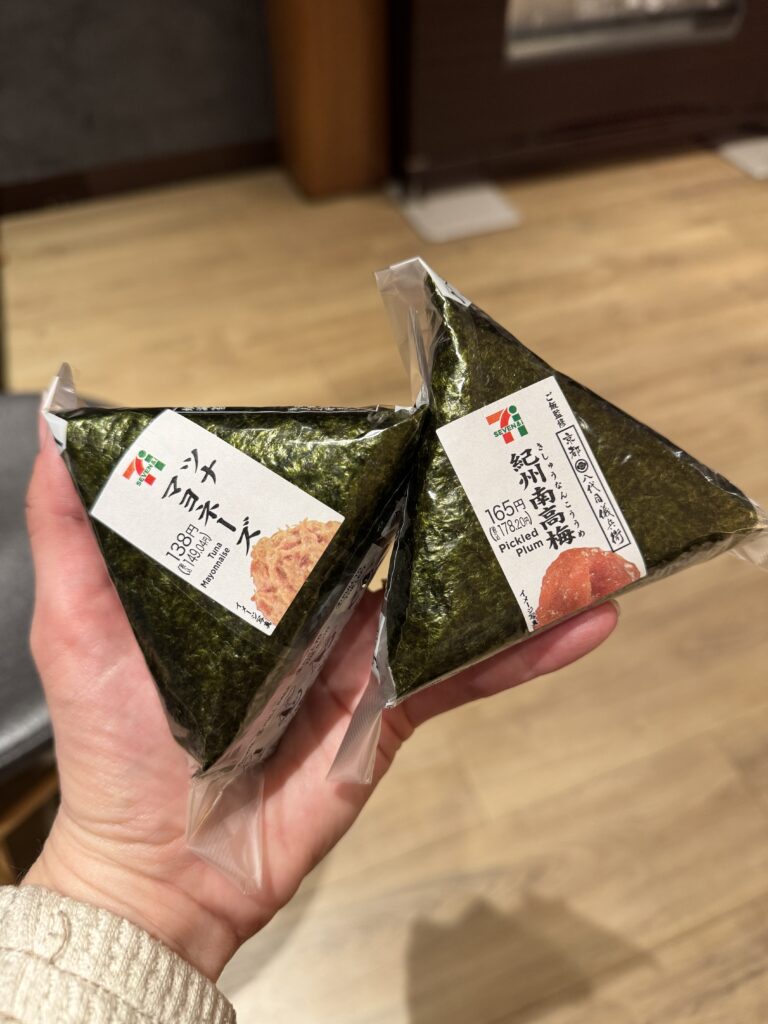
Onigiri is a simple but comforting rice ball, often stuffed with savoury fillings like salmon, pickled veggies, or tuna, and they are perfect for a quick snack. You can grab them in most convenience stores like 7/11, Lawson’s or Family Mart, delivered fresh each day.
Sushi
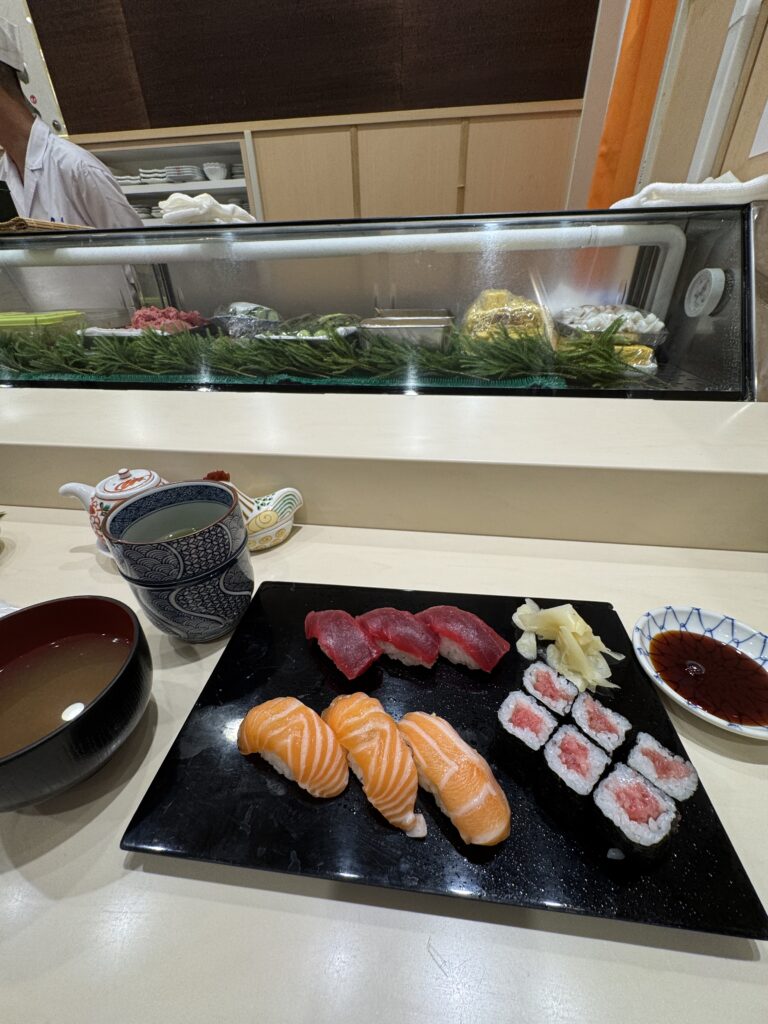
This is a no-brainer, but the sushi in Japan is out-of-this-world. Like I’ve never been so down to eat all sorts of mystery raw seafood I’ve never heard of before because everything was so fresh and next level. I’d recommend you go to a sushi restaurant that has the sushi delivered on a conveyor belt for an experience, but the best sushi you’ll find near/in the morning at local fish markets like Tsukiji in Tokyo or at an omakase experience.
Tempura
Tempura features lightly battered and fried seafood or vegetables that are crispy, airy, and addictive. They are like the elevated, Japanese version of a French fry. You can find so many different types at restaurants, and even fully dedicated restaurants and omakase experiences focused on tempura.
Wagyu
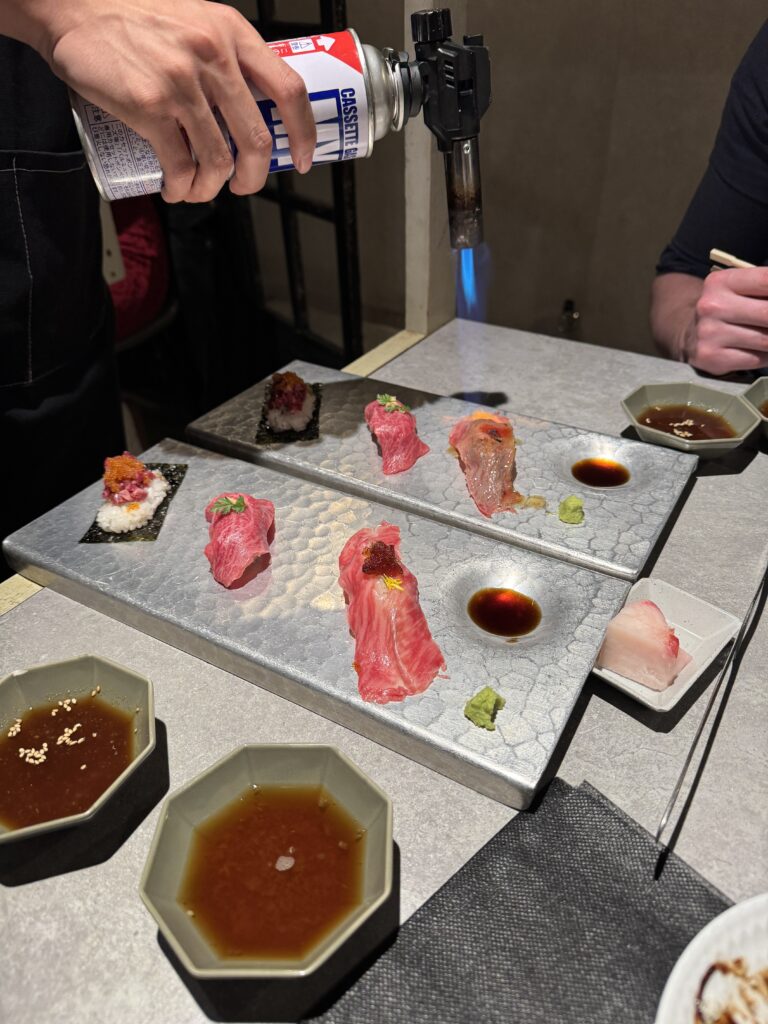
Wagyu is famous for its intense marbling, making every bite ridiculously tender and rich. It leans more on the pricy side of meat cuts, and you can find it in many food markets across Japan on a skewer. You can also enjoy it in many restaurants. We did an omakase experience, which is a set menu at a restaurant in Kyoto called Enen.
Kobe Beef
If you are planning a day trip from Kyoto or Osaka to Kobe, you obviously need to add trying Kobe beef to your bucket list. This beef is a prized type of wagyu and is known for being ultra-luxurious. It melts in your mouth! To be considered Kobe beef, it has to meet very strict standards, so you know when you see it on a menu that it’s the real deal.
Okonomiyaki
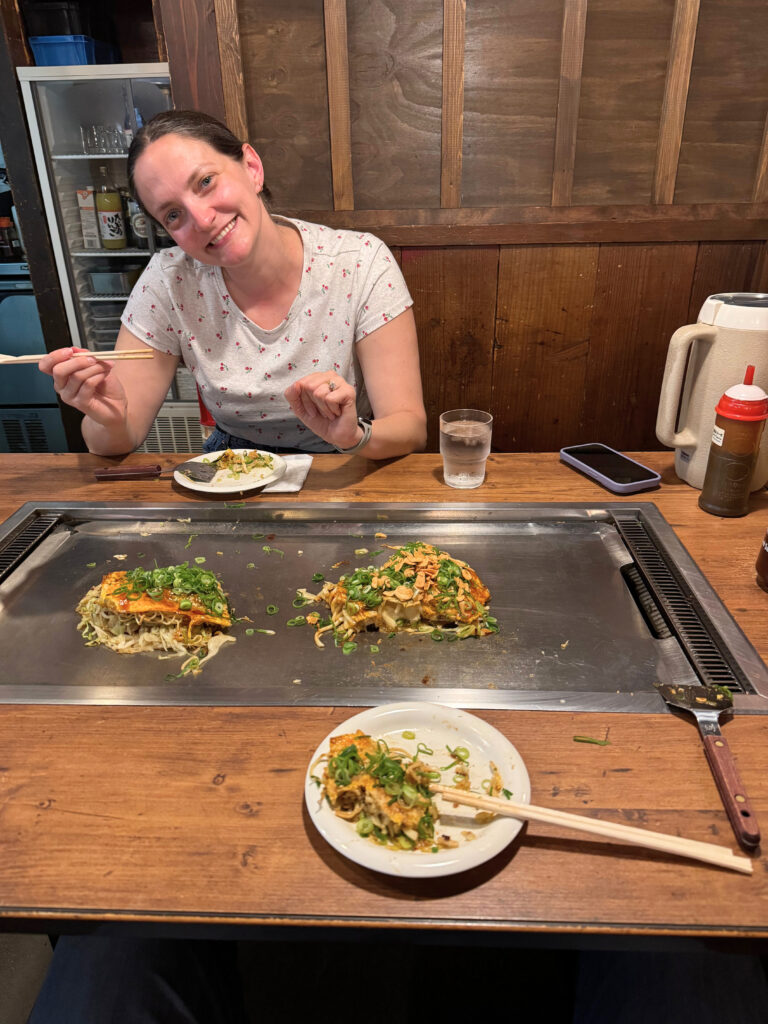
One of our fav foods we tried in Japan was okonomiyaki. It’s a savoury Japanese pancake loaded with cabbage, toppings, and a variety of other options. It is the ultimate comfort food, grilled up right in front of you, and there are two kinds to try—Osaka-style and Hiroshima-style. Prepared in slightly different ways and can be found around Osaka and Hiroshima, respectively.
Gyoza
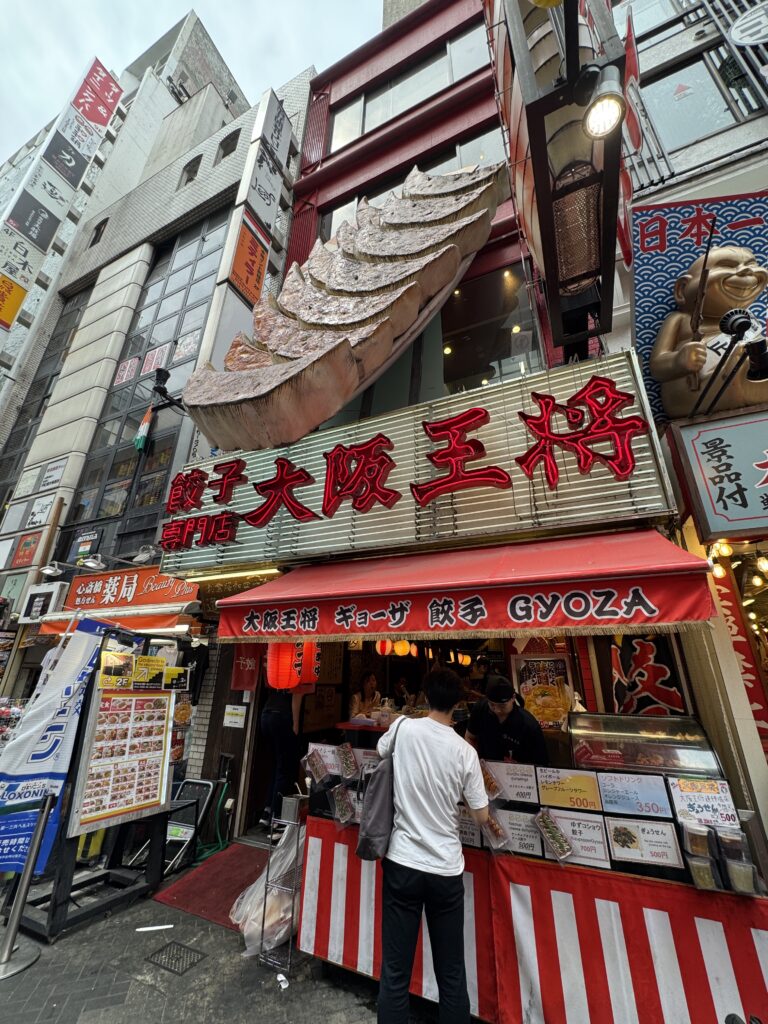
Gyoza are tasty pan-fried dumplings with a juicy filling. They can be found as street food from vendors or in restaurants like ramen spots. Gyoza are like the Japanese perogie and honestly, they are addictive. You can eat so many. We first had them from a shop/vendor along Dotonbori Street in Osaka, and we loved them so much we came back again.
Katsu
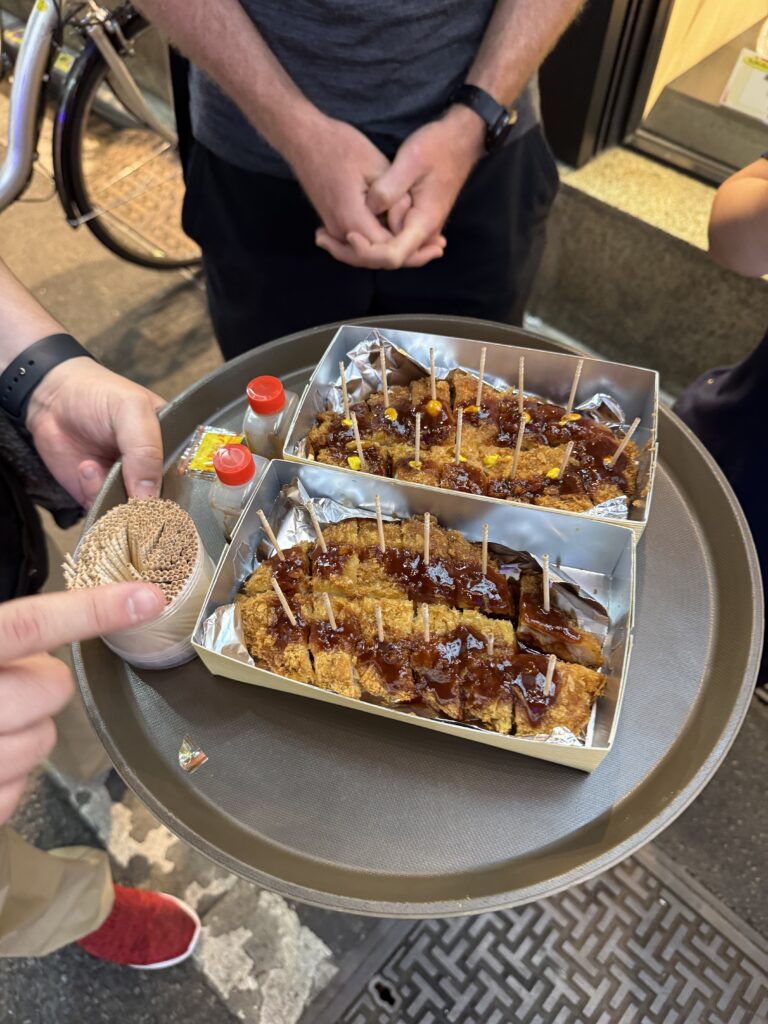
Katsu is a breaded, deep-fried cutlet, usually made of pork, that’s crispy on the outside. It can be served with rice, veggies, curry, and different sauces. It’s a really comforting, simple dish, and it’s incredibly tasty.
Tamago Kake Gohan
This is a cozy rice dish popular in Kyoto, where they mix a raw egg into rice, creating a comforting dish often enjoyed at breakfast. Japanese eggs are safe to eat raw because they have a rigorous, industry-wide hygiene system that minimizes the risk of Salmonella to a near-zero level. These standards are government-mandated, so even though it may seem odd to be consuming a raw egg when it goes against everything you were ever taught in North American cuisine, it’s perfectly safe and a good delicacy to try at least once.
Takoyaki
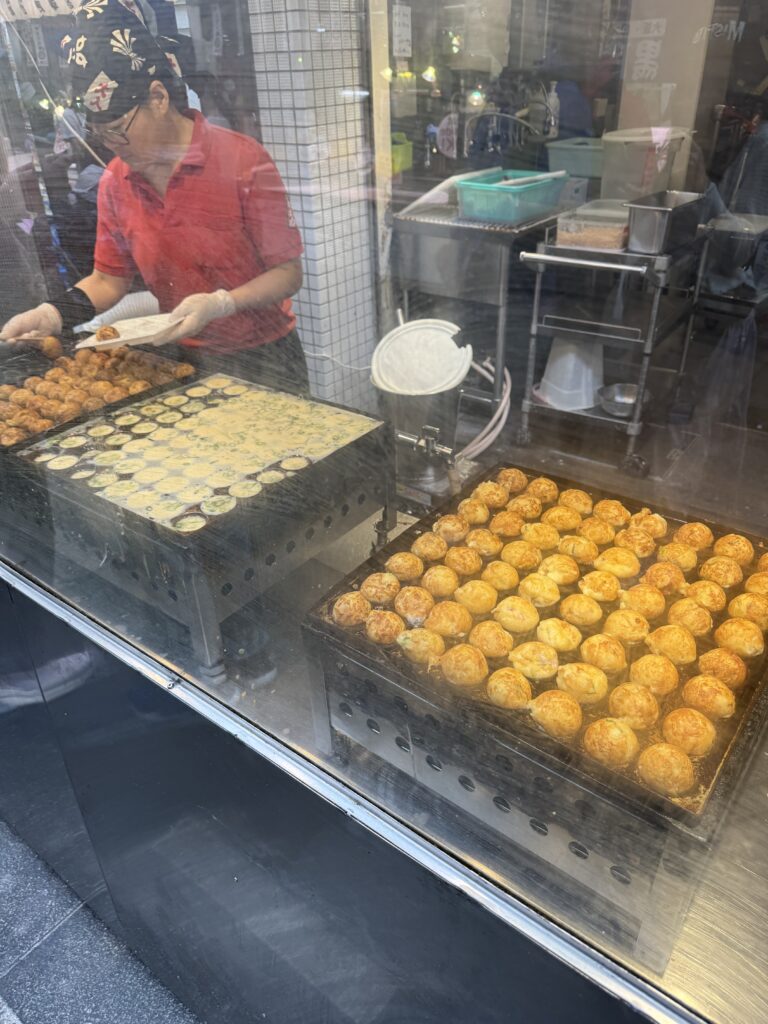
This street food is another one you’re going to go back for again and again. Takoyaki are hot, fluffy octopus-filled balls that are fun and flavour-packed. They are bite-sized and easy to grab when you’re out and about from a street vendor, especially when in Osaka.
Yakatori
Yakatori is grilled chicken on skewers, brushed with sauce or salt, and is perfect for casual snacking with friends. You’ll find these as a popular bar snack, where you can order a bunch of different kinds of varying meats and meat cuts.
Ramen
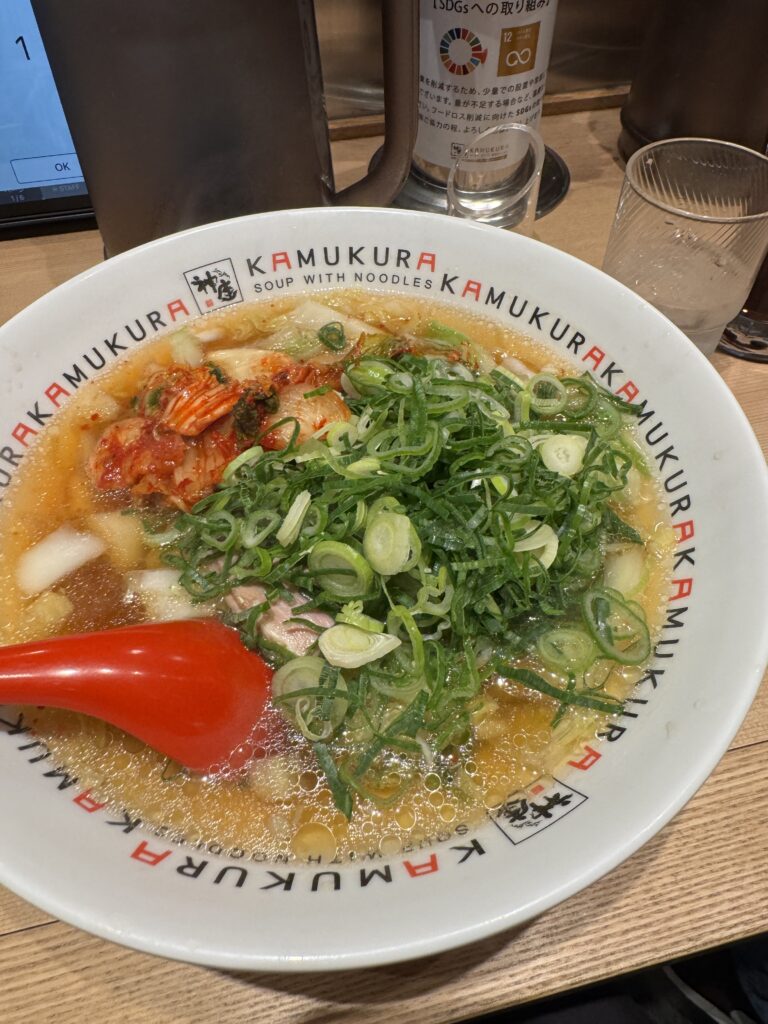
It must be impossible to come to Japan and try all the different kinds of ramen. There are so many different styles across the different regins and it’s a cheap, hearty, comfort food that you can’t visit Japan without trying. When enjoying a bowl, you’ll notice locals slurping loudly. This isn’t rude, it’s a compliment to the cook, so slurp away!
Sweets to Indulge In 🥞
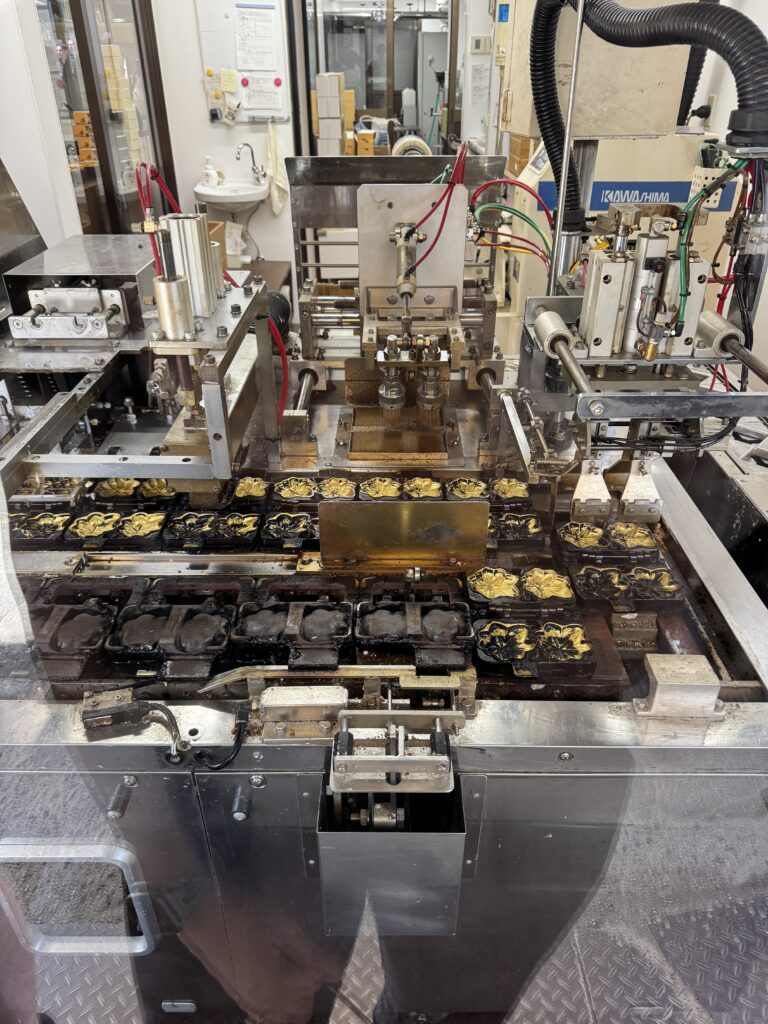
Momiji Manju
These delightful little maple-leaf-shaped cakes from Hiroshima are usually filled with sweet red bean paste but can also be found in a multitude of other flavours like matcha and chocolate. They are particularly well-known on Miyajima Island. We tried them at Momijido Main Store.
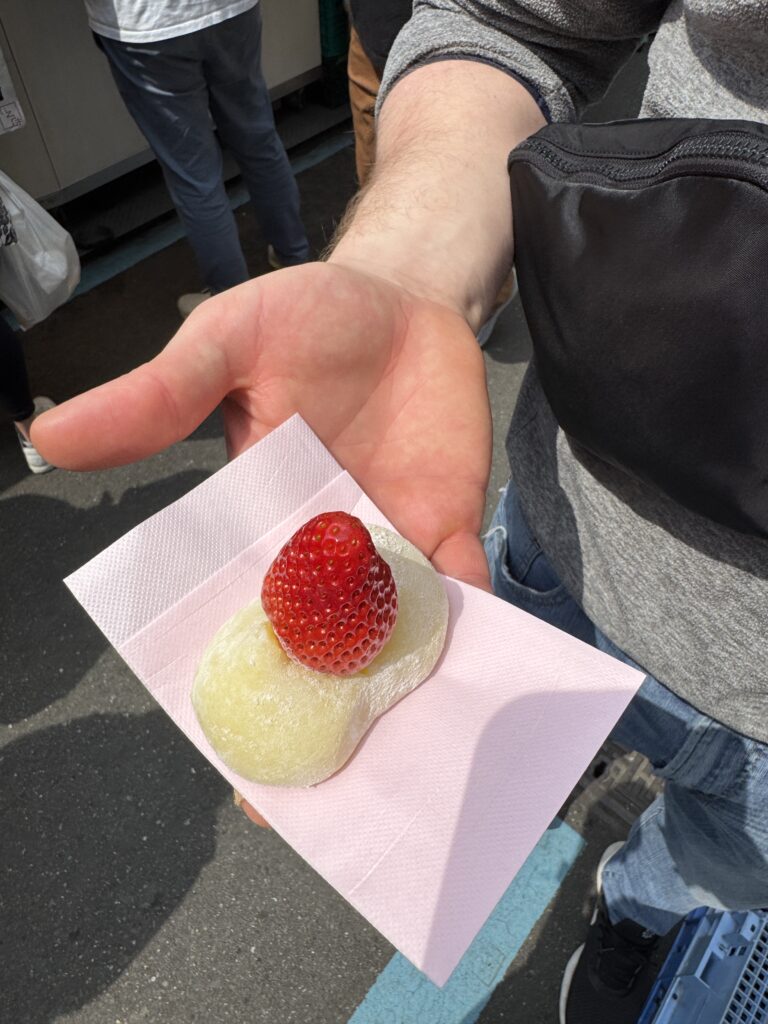
Ichigo Daifuku
This soft mochi dessert is wrapped around a whole fresh strawberry, mixing sweet, chewy, and juicy in one bite. You’ll find these sweets in several food markets across Japan, and let me tell you, mochi aside, the strawberries in Japan are also next level. Before going, I didn’t know what could be better than a freshly grown Ontario (Canada) strawberry in the summer when they are in season, and I was entirely blown away by the taste of a Japanese strawberry. Worth a try in itself!
Souffle Pancakes
A perfect breakfast or sweet treat, soufflé pancakes are thick, jiggly, cloud-like pancakes that are light, airy, and can be found with a variety of toppings, sauces, etc. They feel more like dessert than a typical breakfast pancake, but the texture is perfect, and they are worth a try!
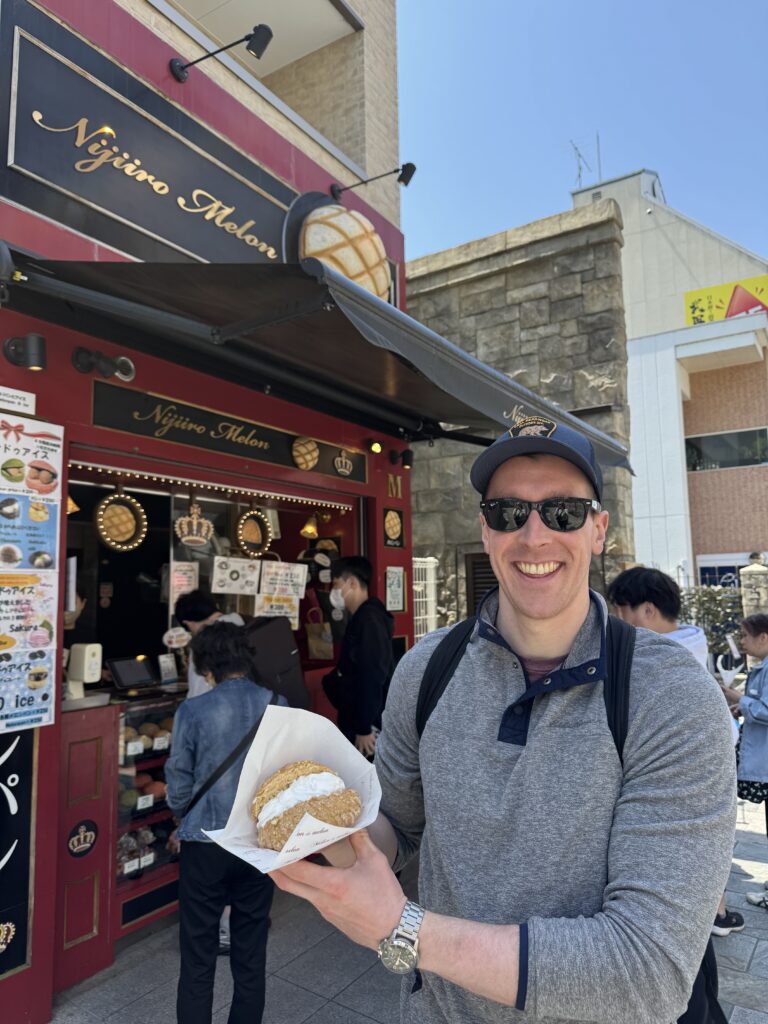
Melon Pan
I fell in love with melon pan, and so did my husband. I was actually trying to figure out where I could find some good, authentic melon pan in Toronto the other day. It is a sweet bread with a crisp, cookie-like topping, and despite the name, it doesn’t taste like melon. You can find them stuffed with a variety of fillings like cream, custards, chocolate, matcha, etc. We first had it at this popular spot in Asakusa and instantly fell in love.
Drinks to Enjoy 🍵
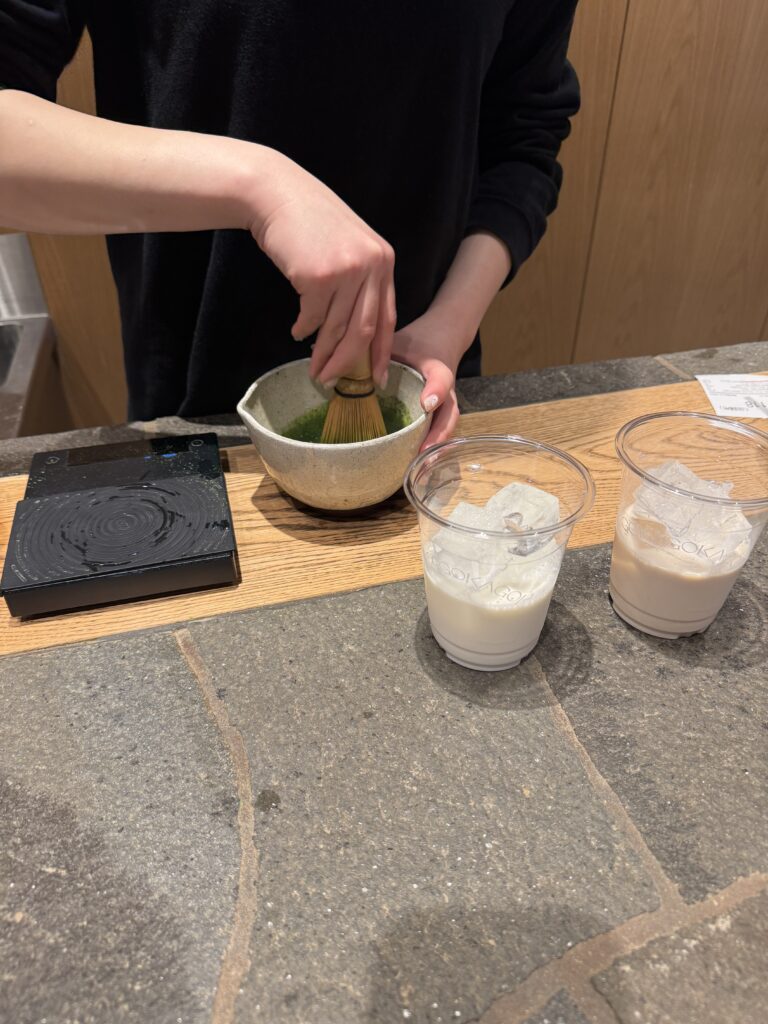
Matcha or Hojicha
These two tea beverages are everyday favourites in Japan, with matcha being rich and earthy and hojicha being more roasted and nutty with less caffeine. You’ll see them everywhere, from cafés to convenience stores, and even baked into pastries and treats. I am a matcha fanatic, so it was a dream to be in Japan trying all the different matcha cafes. My favourite was probably Gokago in Kyoto because they use so much matcha per cup, and it was so rich and creamy. I recognize, though, that a lot of people don’t enjoy matcha (including my husband), so you can opt for hojicha as it’s a great alternative and also very delicious.
Plum Wine
Plum wine is a sweet, fruity drink made from Japanese plums, often enjoyed chilled or over ice with soda. It’s gentle and approachable, even for people who don’t usually like strong flavours. I really enjoyed getting a plum wine and soda for something different to drink outside of typical beers or sake.
Sake
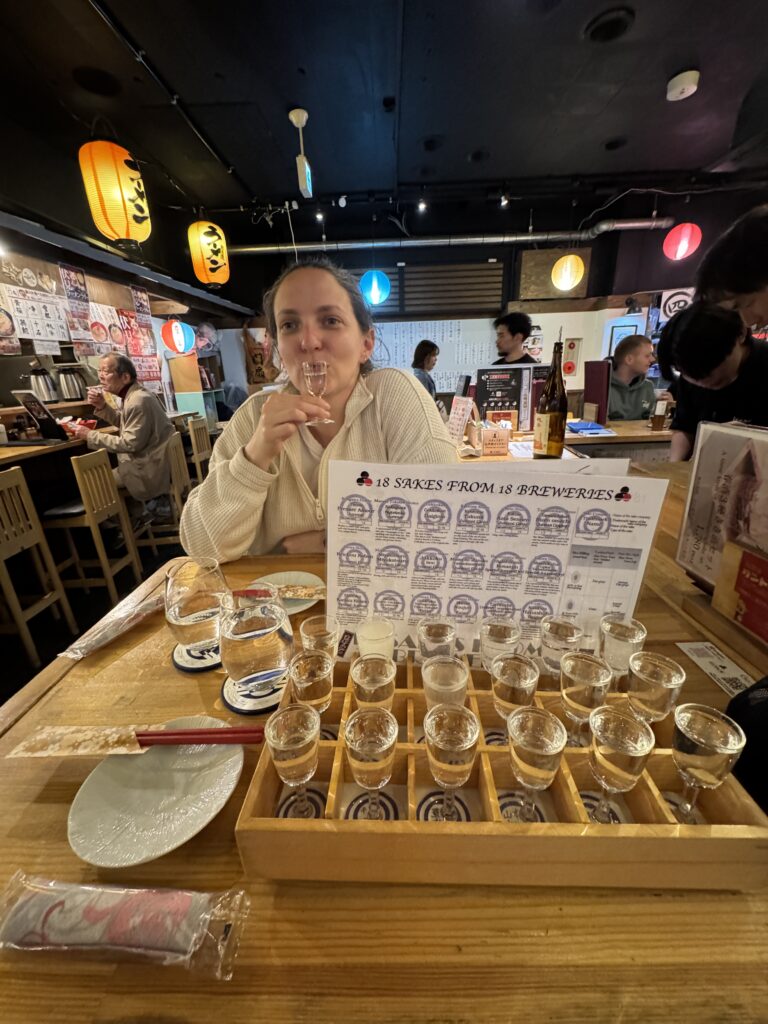
A traditional Japanese rice drink that can be enjoyed warm or cold, depending on the style and season. It’s deeply tied to food, celebrations, and everyday meals in Japan, and you’ll find lengthy lists of sakes at almost any restaurant. I had NO idea what I liked when it came to sake because it’s not something I consume at home, so we went to Fushimi Sake Village in Kyoto, where you can get a flight of local sakes, a great way to try different kinds and see what you like.
Japanese Whisky
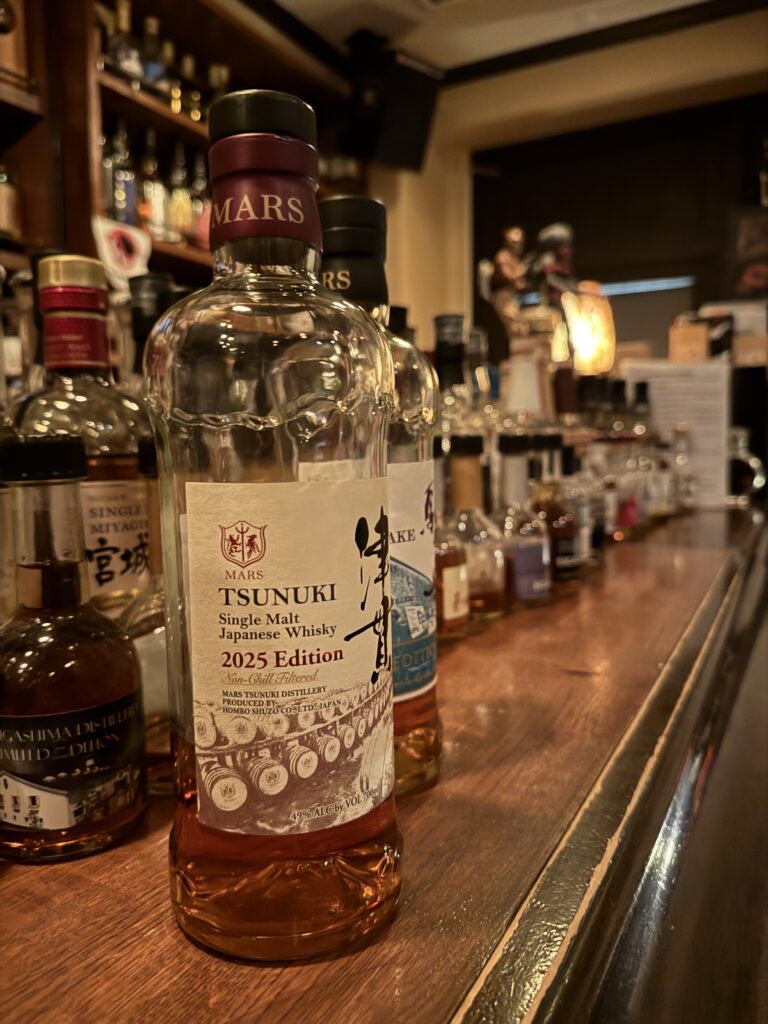
I have to admit, this one is NOT for me, but my husband loves whisky and scotch and really enjoyed trying many Japanese whiskies when we were in Japan. Japanese whisky is known for being smooth, balanced, and carefully crafted, with flavours that can range from light and floral to smoky and complex. You can visit some distilleries across the country, and there are many tasting bars as well. My husband enjoyed tasting at the M Whisky Shop & Museum in Tokyo and at Bar Zoetrope, also in Tokyo, where the owner is an expert in all things whisky (they also have local gins if you aren’t a whisky lover).
Lemon Sours
Lemon sours are a popular, refreshing drink made with lemon juice and carbonation, and they’re a go-to choice at casual restaurants and izakayas. They are commonly made with shochu and are so easy to knock back that there are many places that offer all-you-can-drink options with a tap right at your table (dangerous!!).
Experience to Have 🍲
Food Tour
Food tours are one of my favourite ways to explore a new city and try a lot of local food in just a few short hours. They can be a great way to check off a lot of things from your food bucket list when you only have a short time in a city.
We did a few food tours when we were in Japan. We did one with Ninja Food Tours in Tokyo, and then we did one through GetYourGuide through Kuromon Market. However, there are so many different companies and guides offering tours, so choose which one best suits you and your interests and be open to trying things that you may not normally order or try.
Gourmet Dining at an Omakase
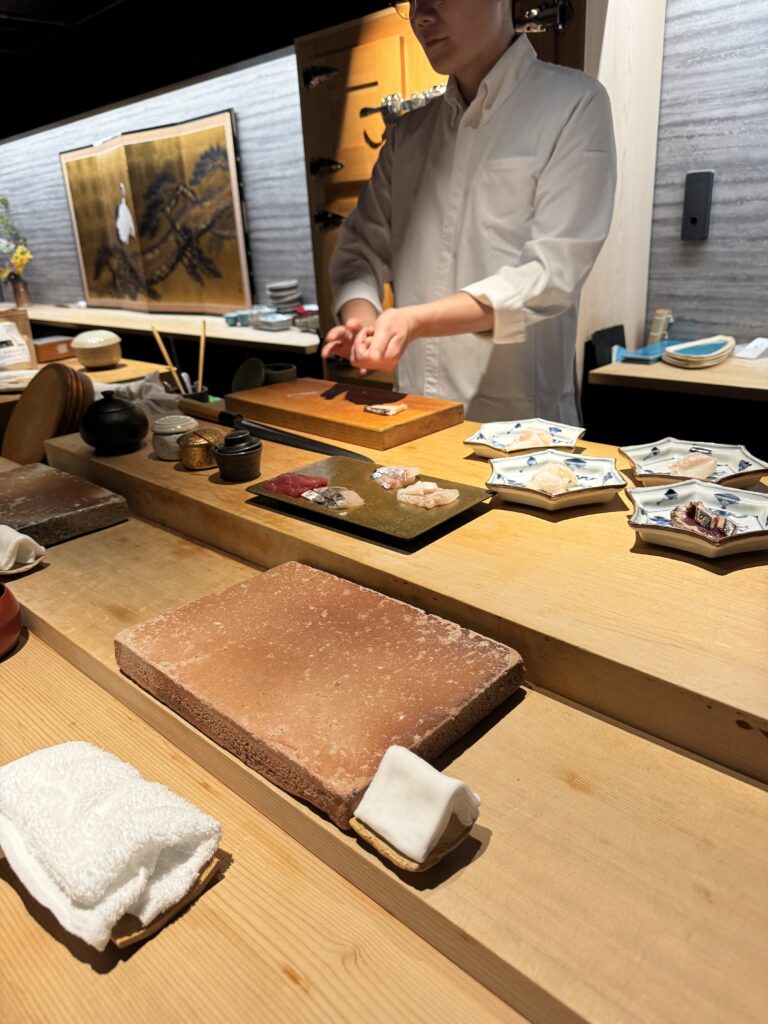
An omakase is a Japanese dining style where you put your trust in the chef and just sit back and trust their expertise as they curate the perfect menu for you. They serve a sequence of dishes (often sushi, but there is a variety of different kinds of omakase experiences across Japan), and the menu is based on the freshest and best that day. It is a more elevated, expensive experience, but you can find them across Japan, ranging in price. It’s so worth doing at least once on your trip, but I would opt out of this experience if you aren’t an adventurous eater, since you do not get to pick what is served to you.
Bento Boxes on the Shinkansen
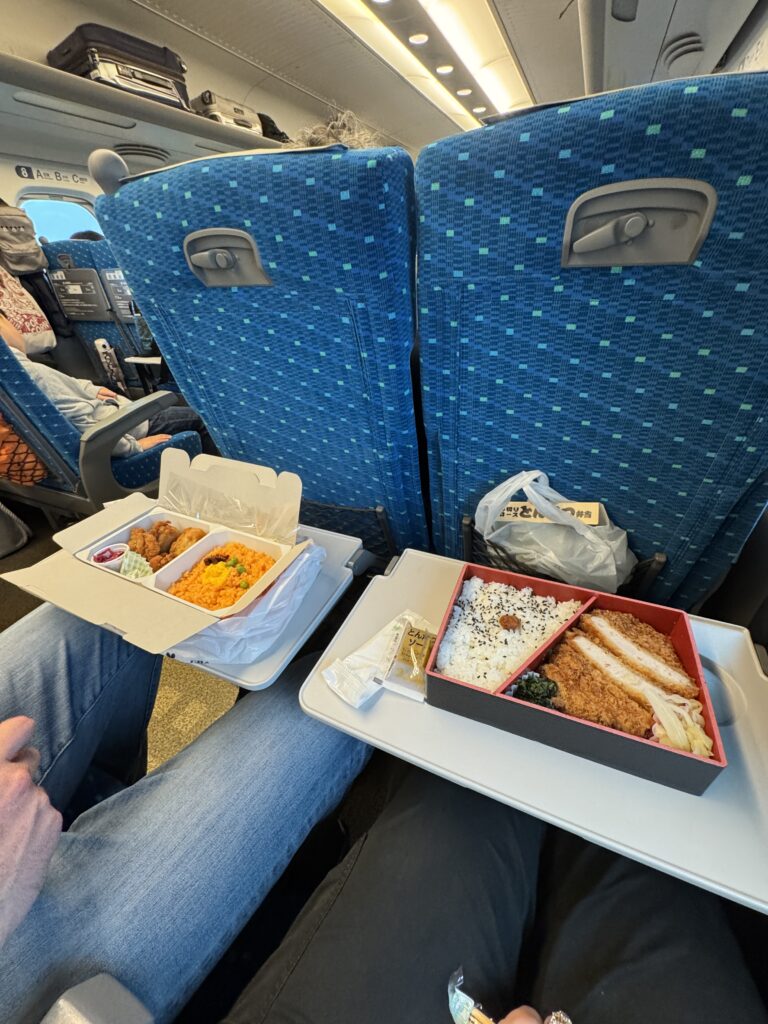
Riding the Shinkansen bullet train in Japan is like a rite of passage, and of course, you need the perfect train snacks for the ride. Ekiben are bento boxes sold in train stations and are perfectly packed meals that are easy to eat at your seat. Some even self-heat when you open it! Truly a commuting experience that you need to have while travelling through Japan.
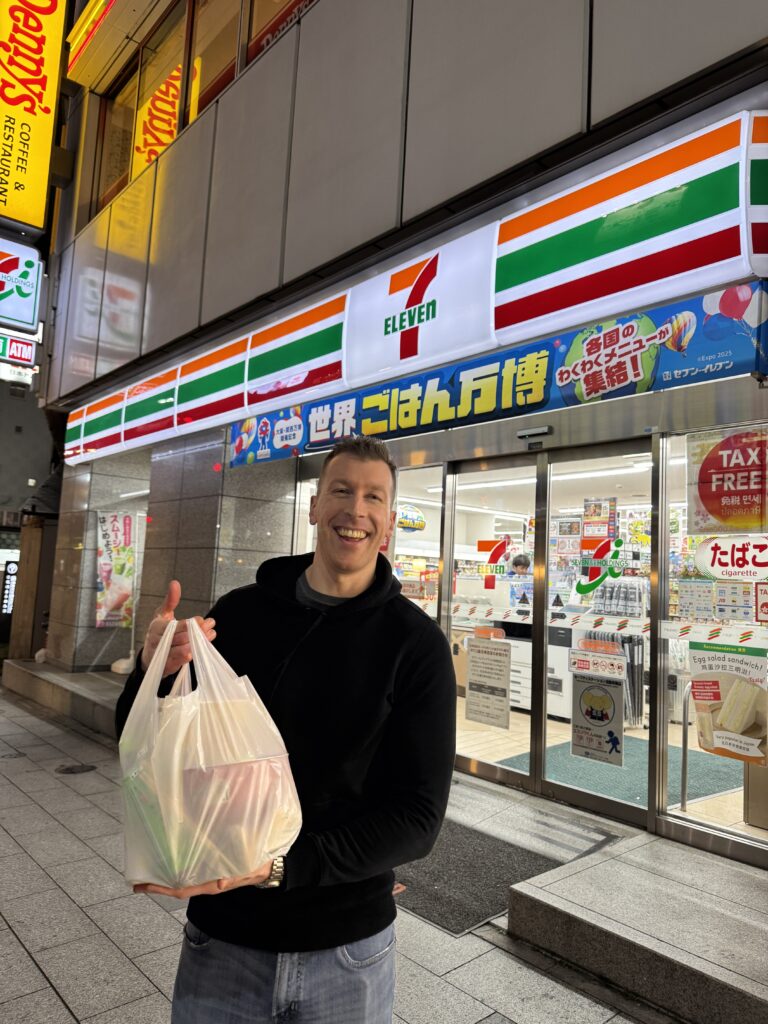
The Konbini Culture
Konbini, aka convenience store culture, is famous in Japan. You’ll find them on basically every corner—the main ones being Family Mart, Lawsons and 7/11. These convenience stores are unlike those you’ll find in North America. They are stocked with freshly prepared food throughout the day, and good food, not the rotating hot dog that has been rotating for 7 days straight that you’d find back in Canada or the US. You’ll find great coffee, fresh smoothies, onigiri, pastries, and the list goes on. Seriously, every day we were in a konbini picking up after-dinner treats, quick snacks, or even an easy lunch or breakfast.
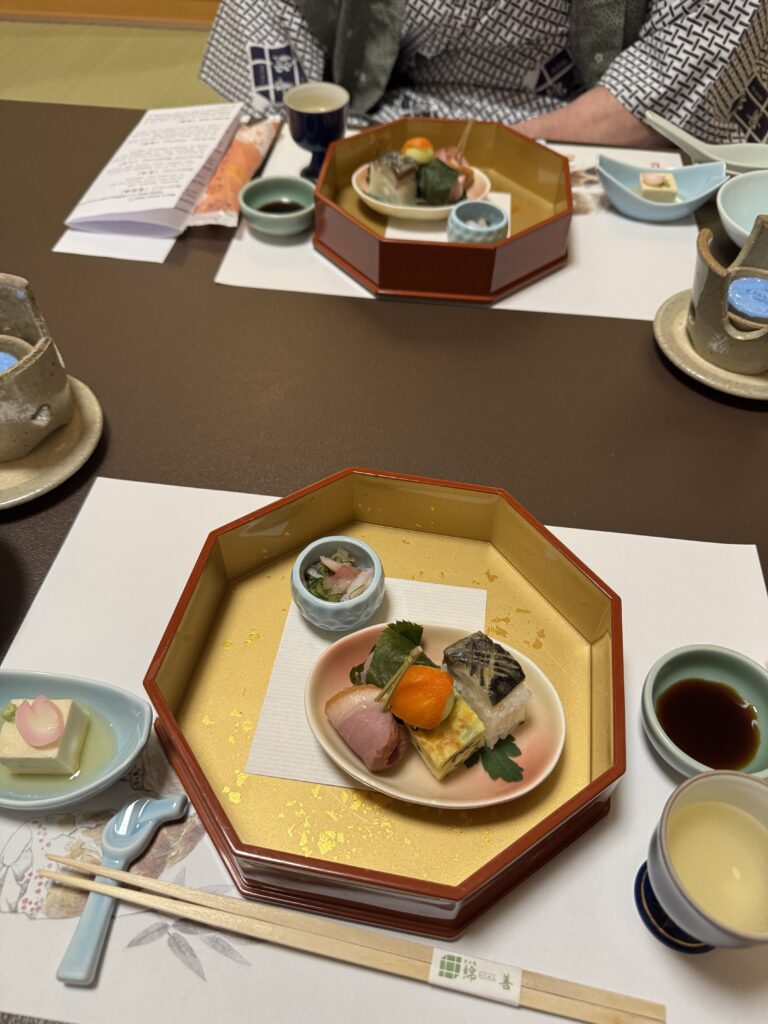
Kaiseki at a Traditional Ryokan
Kaiseki is a traditional Japanese style of fine dining that’s all about seasonality, balance and presentation. It’s a multi-course set menu where each dish is carefully timed and beautifully plated to seriously look like art. It is an experience you can often find as an add-on to a stay in a ryokan, a traditional Japanese inn, and it’s a must-do.
What are some of your bucket list-worthy food experiences you want to have or try? Share below in the comments!




No Comments